The government should help farmers to transition away from Glyphosate - Katie Ward
On December 15, glyphosate’s approval in the UK is set to expire. Glyphosate, a weed killer, is engineered specifically to kill plant life. Renewing this approval will only keep it flowing through our farms, soils, food and bodies. This license renewal is therefore as much a question of healthcare as it is about agriculture.
The food on our plates is only as healthy as the soil it was grown in. Plants cannot pull the chemicals and minerals it needs from the ground by itself. It relies on a community of soil microbes, which it pays in root sugars in exchange for nutrients it could never reach alone.
That system works much like the microbiome in our own gut, and when it breaks down, nutrition suffers. Analyses of crop data from the 1950s to the late 1990s, in both the US and the UK, found measurable falls in the mineral and protein content of everyday crops.
Glyphosate is part of that story; it is used to clear fields before sowing and to dry crops before harvest. The World Health Organization classifies it as probably carcinogenic to humans, and the evidence suggests that it disrupts the soil life our crops depend on. Since 1990, the area of British farmland sprayed with it has risen almost tenfold.
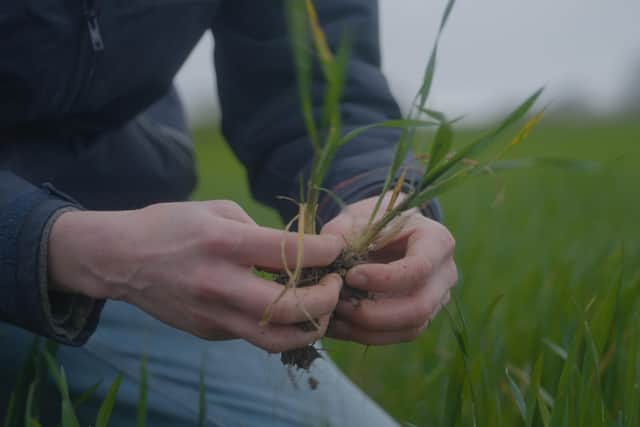
This is no criticism of farmers. In my experience, many would gladly use less. They use it because currently, nothing else does the job as cheaply or reliably. Ask a grower to stop without offering an alternative and you are asking them to absorb the cost on their own, in a year already squeezed by drought, volatile prices and rising input bills.
The government should therefore help farmers to transition to alternative methods or technologies. However, they should see this as a healthcare investment. While virtually impossible to track or measure, the wider impact would be enormous.
Supermarkets can help too. Much pre-harvest spraying delivers crops that are evenly dry and ready on schedule.
If supermarkets and processors want lower-input food, they need to share the cost and accept the variability that comes with it. Consumers are already moving: ‘glyphosate-free’ is starting to appear on packaging in British shops.
Reducing synthetic inputs like Glyphosate would certainly eliminate some harm. In our soils, much like on our plates, simply removing unhealthy ingredients isn’t enough. We have to actively replace them with healthier ones. Today, our guts have far less microbial activity than those who aren’t fed by industrial agriculture; one study found three times as many microbial species in the gut biomes of Hadza hunter gatherers in Tanzania than the average Californian.
We can stop doing things that harm our microbes, but we must also regenerate our guts’ diversity. For that, we first need diverse biology in our soil.
Independent research backs this up: a global analysis of 171 studies found microbial inputs raised yields by around 10 per cent in climates like ours, and more in drought. Other studies show soil fungi help crops take up zinc and iron, minerals in short supply in modern diets. Healthy soils, much like our guts, start with microbial life. Early trials are starting to show just how much benefit microbial inputs can bring.
Katie Ward is the founder of the agriculture and healthcare company Microbz.