Fresh financial figures reveal that the 1,000-year-old Bayeux Tapestry generated a greater initial spending rush than major film premieres or a standard weekend night out, driven by a growing appetite among younger culture enthusiasts.
Insights compiled by digital bank Monzo highlighted a sharp rise in customer transactions coinciding with the release of the British Museum’s second batch of public tickets.
As sales opened at 10am last Wednesday, a virtual queue of thousands formed quickly, prompting fans to compare it to high-profile events such as the Glastonbury Festival and the Oasis reunion tour.
Based on spending patterns across Monzo’s 16 million account holders, outlay to the venue was 48 times higher than on a normal Wednesday morning.
Within the initial hour, cardholders spent £14,100 on tickets for the display—double the opening mornings for this year’s blockbuster cinema releases, including The Odyssey at £7,000 andSpider-Man: Brand New Day at £6,300.
Buyers spent five times more on average at checkout than on Spider-Man’s opening morning, paying £97 compared with £19.
Total purchases by Monzo customers climbed to £30,500 in the two hours after tickets went on sale.
That figure was 60 per cent higher than the combined average Saturday night spend, between 8pm and 4am, across six major UK nightlife venues—Koko, Fabric, Roundhouse, Lakota, Thekla and Sub Club.
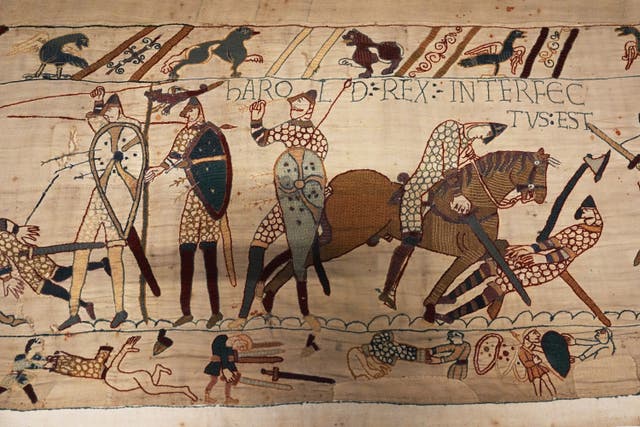
The exhibition at the London museum has attracted a huge surge of interest from visitors eager to view the woven record of the Norman Conquest, which has returned to the UK for the first time in almost 1,000 years.
The British Museum described the response to the Tapestry going on display last month as "extraordinary", prompting operational changes to manage long queues, including prohibiting visitors from taking photographs.
Monzo’s data suggested that the enthusiasm is shared across generations, drawing substantial crowds of Generation Z and millennial viewers.
It revealed that 55 per cent of buyers during the latest ticket release were under the age of 35.
Furthermore, almost half of all purchasers were based outside London, with the most distant transactions coming from the Glasgow postcode area, the bank reported.