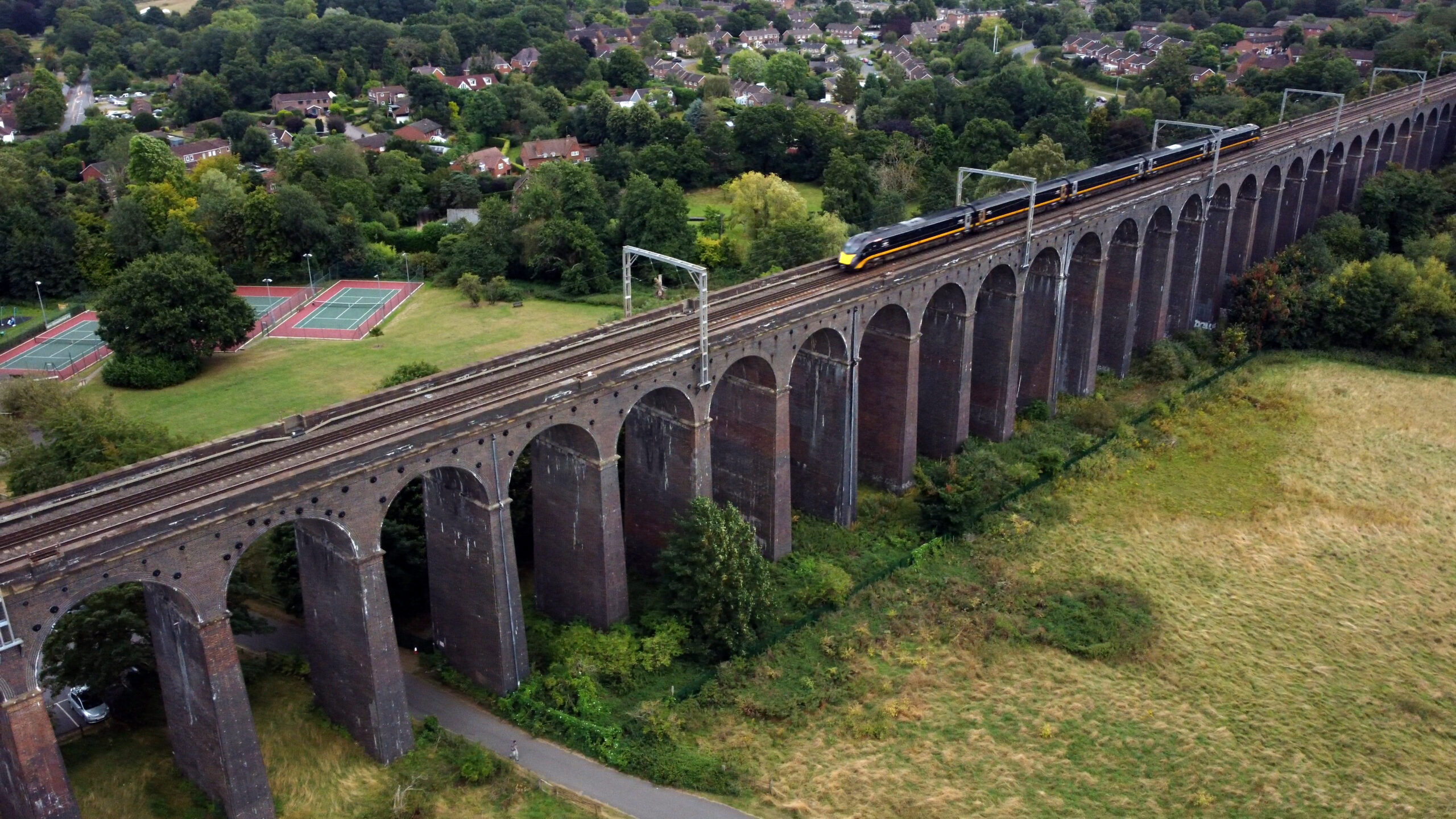
The first digitally-signalled high speed services in the country have moved a step closer with Grand Central’s Class 180 fleet receiving the regulatory approval for use of the European Train Control System (ETCS) which replaces lineside colour light signals.
Grand Central – Arriva Group’s open access operator linking York, Northallerton and Thirsk with London – will see their fleet undergo software updates and then enter into an extended period of 50,000 miles of ‘fault free running’ in December.
Alongside this, the company’s train drivers are being trained in using Level National Train Control (L-NTC) mode, for operating ETCS fitted trains over conventionally signalled routes.
The fleet is expected to begin using digital in-cab signalling (ETCS Level 2) on the East Coast Main Line (ECML) between Welwyn and Hitchin by spring 2027.
The introduction of digital signalling through the East Coast Digital Programme (ECDP), will deliver more efficient, more reliable services over the long term.
The system also makes the railway even safer as it supervises the train’s speed and can bring it to a stop if needed.
The East Coast Digital Programme (ECDP) is a landmark scheme that will introduce digital in-cab signalling on the southern part of the East Coast Main Line. In 2025 it delivered the country’s first ‘no signals’ commuter railway, between Finsbury Park and Moorgate.
Since August 2026, some Great Northern services have begun using digital signalling in the Welwyn to Hitchin area on the East Coast Main Line. More fleets and services are expected to begin using digital signalling during 2027, including the Grand Central Class 180 fleet.
ETCS replaces traditional lineside signals (You see these at the end of platforms, Red, Yellow and Green lights, like traffic lights on our roads) with in-cab signalling.
This allows the signalling system and trains to communicate continuously, rather than just at fixed signals, enabling a system that’s better for passengers and freight users.