Places where people can shelter from extreme heat in York will soon become essential, a senior councillor has said.
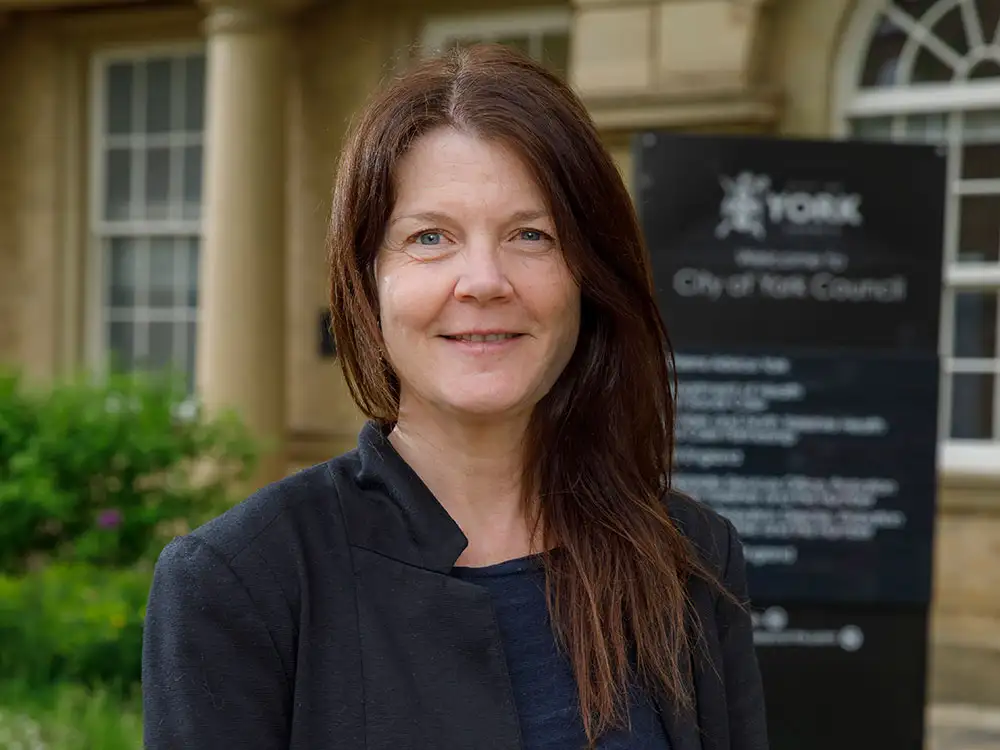
Cllr Jenny Kent, City of York Council’s Labour environment lead, said officials were already drawing up plans for ‘cool spaces’ next year after the UK experienced its hottest summer on record.
She said warmer weather could see people abandon the Mediterranean for North Yorkshire for holidays in the future but that would come at a cost.
The comments came as part of a discussion on a new study looking at the impact of climate change in York and North Yorkshire.
Estimates in the York and North Yorkshire Climate Change Adaptation Study but the cost of rising temperatures and extreme weather at £160m by the 2050s.
Increased costs for farming and from flooding, extreme heat affecting productivity and moorland and heather wildfires are expected to drive up financial losses.
But the study stated those four factors were among 113 potential risks facing the region, meaning the cost would likely be much higher.
Extreme heat is expected to become more common and is forecast to cost £35 million alone as outdoor and temperature-sensitive work is impacted.
Environment executive member Cllr Kent said the 21 effects deemed to be positive in the study compared to more than 100 risks.
Cllr Kent told Tuesday, 6 October’s council meeting: “The recognition that this is going to affect us all is vital.
“There’s some people I’ve heard saying the summer was really nice and it was like being abroad.
“We’re likely to see people moving out of the southern Mediterranean tourist spots particularly because it’s going to become unbearable, they’ll possibly come to North Yorkshire which is welcome on one level but it brings longer term impacts for those regions and us overall.
“We’ve had a history of providing warm spaces in winter but our public health department is already working on looking at cool spaces for next summer, because they’re going to be essential.”
Predictions on the potential effects of climate change in the region include art and artefacts getting damaged as museums and art galleries where they are stored fail to protect them.
Conditions suited to wildfires sparking and spreading also look set to become commonplace during summer in the coming decades.
Wildfires like that seen on the North Yorkshire Moors in the summer of 2025, which resulted in economic losses of around £25.9 million, could happen yearly by the 2050s.
Property damage from flooding, which already stands at £38 million a year, is forecast to rise to more than £70 million annually by the 2050s or to £120 million under worst-case scenarios.
Historic buildings could be damaged by increasingly intense rainfall, storms and heatwaves.
The study also warned despite some action to prepare for climate change, measures to cope with extreme heat, droughts, the spread of pests and diseases and other issues were limited.