What sort of homes and communities do we want to leave to the next generation? - Yorkshire Post Letters
From: David Ingham, Ripon.
There is an important question behind the Conservatives’ latest plans for housebuilding: are we really going to solve Britain’s housing crisis by building cheaper homes to lower standards?
Conservative shadow chancellor Andrew Griffith has proposed scrapping the Future Homes Standard, which is due to come into effect in 2027. The standard is intended to ensure that new homes are better insulated, more energy efficient and equipped with low-carbon heating.
The Conservatives argue that removing these requirements could reduce the cost of building a new home by up to £50,000. But a cheaper house to build is not necessarily a cheaper house to live in. If a new home requires more energy to heat because it has lower efficiency standards, the household buying it could be paying the price for decades through higher energy bills.
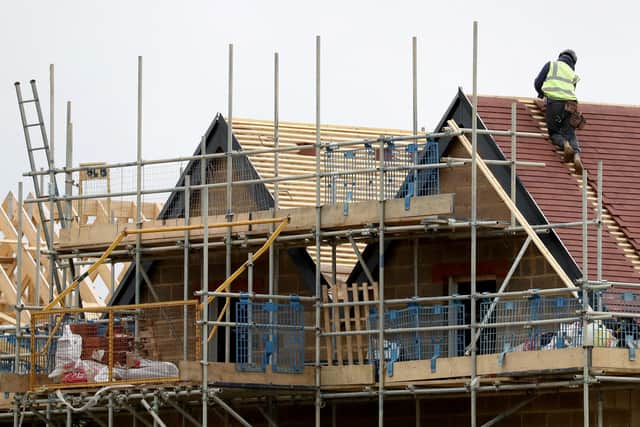
There is another concern. The Conservative proposals would scrap Section 106 agreements and the Community Infrastructure Levy and replace them with a single levy. These existing arrangements can require developers to contribute towards affordable housing and local infrastructure such as roads, schools and play areas.
When a new housing estate is built, the additional pressure on local services does not disappear simply because the developer is asked to contribute less. Someone still has to pay for the school places, roads, community facilities and affordable homes that a growing population needs.
This is particularly important in places such as North Yorkshire, where new development must be accompanied by the infrastructure and services that allow communities to thrive.
There is a very different approach being taken by the Labour Government. Its Future Homes Standard is designed to make new homes more energy efficient and less dependent on fossil fuels, while its £39bn Social and Affordable Homes Programme is intended to deliver around 300,000 social and affordable homes over its lifetime. The Government is also giving councils greater financial flexibility to build council housing again.
We certainly need to build more homes. But the question should not simply be how cheaply we can build them. We should be asking what sort of homes and communities we want to leave to the next generation.
Homes should be warm, energy efficient and affordable to run. New developments should provide the infrastructure that growing communities need. And councils should once again have the opportunity to build genuinely affordable social housing.
Building more houses matters. But building better homes and better communities matters too.