Coal mining changed the world, we must share its history with future generations against a backdrop of challenges - Lynn Harper
The museums sector is currently in the midst of a seismic shift. Post-pandemic, attractions nationwide are navigating new challenges – the likes of which I have not seen during my 30 years in the sector – including radically different visitor habits, a complex and ultra-competitive funding process, alongside rising overheads, all as we experience a cost-of-living crisis.
To continue preserving the precious stories and rich history which we are the proud custodians of, we need to be more agile, more innovative and adopt a forward-thinking approach that meets these unprecedented challenges head on.
Coal mining has been part of Yorkshire’s DNA for centuries, and the seams of that special heritage run deep throughout our region to this day. It’s a privilege for us to tell that incredibly important story to our visitors, and it’s a responsibility we do not take lightly.
The National Coal Mining Museum will mark its 40th anniversary in 2028, and as that impressive milestone edges closer we are proud of what we have achieved, and the impact we’ve had on the hundreds of thousands of visitors we’ve welcomed.
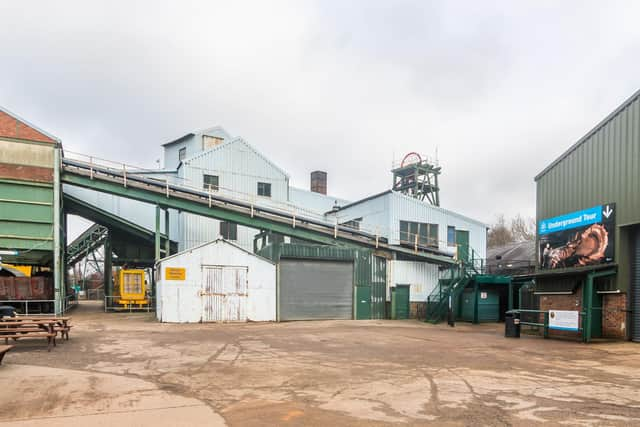
But it’s time for us to dig deep and look to the future to ensure the museum can continue for another 40 years and beyond. As a result, we are working hard to develop a long-term plan for the next generation.
A huge part of that approach is making the museum more sustainable. We will be investing significantly in our infrastructure to ensure it is futureproofed, and will take a greener approach to how we generate and use energy, with the potential for a minewater energy scheme to heat our site with completely clean and sustainable energy.
These improvements will help us reduce running costs, protect our collections and experiences – including our unique and incredibly special underground tours – and ensure we can hand the next generation of storytellers a museum that is resilient and ready for whatever challenges may be faced in years to come.
Our ambitious plans, to be announced later this year, will help cement the museum as a major visitor destination, continuing to attract people from across the country and beyond, and playing a meaningful role in the visitor economy in the north of England. New galleries, learning facilities and a focus on sustainable energy are truly exciting possibilities.
But we must be honest about the scale and complexity of these challenges. Energy bills and wages have climbed, and the cost of caring for buildings and collections continues despite budgets being squeezed across the sector. Like many museums, we are a charity and are free to enter, so every pound must work hard. Securing funding for long-term plans in an increasingly competitive funding climate is a constant battle.
We are also competing for people's leisure time in a climate where households watch every penny. In a cost-of-living crisis, days out are weighed against day-to-day costs at home. In order to attract visitors, we must earn it.
Standing still is not an option. To stay relevant, museums must be modern and consider future-proofing their offering. This means bold and sometimes difficult decisions now to make sure museums thrive in the years ahead.
It’s easy to underestimate the huge role museums play in our communities. Culture, history and heritage give people and places a unique sense of pride, shared experience and unity. Being part of the community we serve is and always will be at the heart of our planning for the future.
As well as being a visitor attraction, our allotment and community spaces give local people somewhere to grow, learn new skills, and meet neighbours. Our green social prescribing projects support mental health and wellbeing. Our funded outreach, community events, exhibitions and partnerships make the museum a hub, and for many it is a safe space. As funding is cut elsewhere, that role will only become more necessary, and our future plans are designed to deepen it.
Young people are central to that future. Our schools programme brings thousands of children through our doors, many of them handling a real object from the past for the first time. A child who becomes curious about energy, science, or history may be tomorrow's engineer, historian, or curator. Investing in them is investing in the museum's future, and in the stories that will be told long after we have gone.
Coal mining history changed the world, and our job is to make its relevance to today unmistakable, sharing it with innovation and authenticity and shining a light on the people and moments that might otherwise be forgotten.
The National Coal Mining Museum belongs to the people who love it and have worked so hard over the years to make it what it is today. Protecting and preserving its future is a task that together, we are determined to face with the courage, conviction and creativity that our visitors, our communities, and the miners who toiled in England’s pits deserve.
Lynn Harper is the CEO at the National Coal Mining Museum.