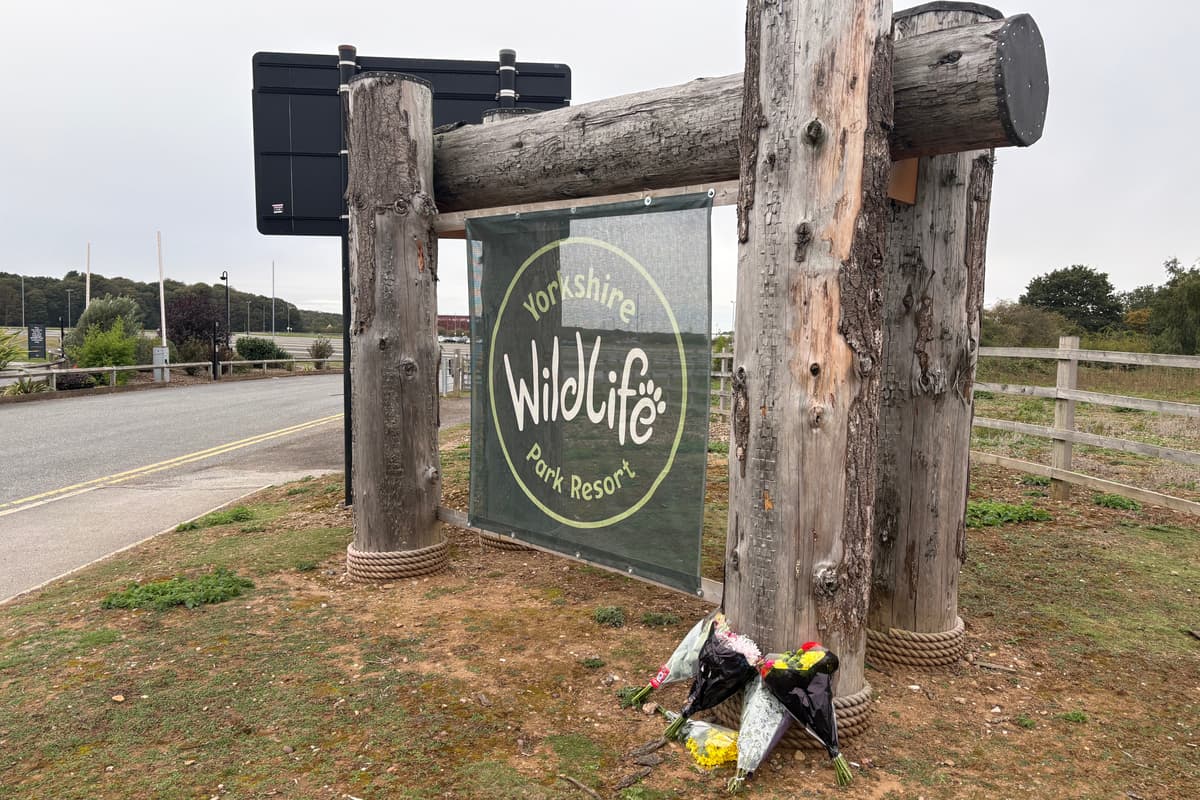
Amur tiger Altai: The rare species of tiger at Yorkshire Wildlife Park involved in death of man
Altai, the tiger who attacked a man at Yorkshire Wildlife Park, belongs to an endangered species at the centre of international conservation efforts
According to the IUCN Red List, there are only 450 Amur tigers remaining in the wild.
Amur tigers are the largest big cats in the world, with males weighing up to 190kg and females up to 130kg.
Also called the Siberian tiger, the species takes the name “Amur” from the Amur River on the border between Russia and China.
As the northernmost tiger subspecies, they have distinctive adaptations, including a lighter-coloured coat than Bengal, Malayan, or Indochinese tigers. In the wild, this pale coat is valuable camouflage, helping Amur tigers survive harsh Siberian winters.
However, over the last century, their environment has changed. Logging has destroyed Siberian forests, and Amur tigers have been targeted by poachers.

In 1947, Russia banned tiger hunting, and as of 2026, conservationists aim to eventually reintroduce Amur tigers into the wild.
Altai arrived at Yorkshire Wildlife Park on February 27, 2025. His introduction was part of an international exchange overseen by the European Endangered Species Programme, distributing cubs between zoos as part of an international breeding effort.
Other UK organisations breed Amur tigers, including Longleat and Knowsley Safari. In July 2026, Longleat Safari Park welcomed twin Amur tiger cubs, and in July 2025, Knowsley Safari bred two cubs.