Young farmers flock together amid isolation concerns
The chairman of Yorkshire Federation of Young Farmers’ Clubs has said the organisation is “more relevant than ever” as those producing food become increasingly isolated while performing their daily tasks.
Will Amos, a rural surveyor who manages farm dispersal sales and the monthly machinery sale at York Auction Centre, said the network of 42 clubs across South, West and North Yorkshire continues to play a vital role in the industry and farming community, bringing together young people.
Mr Amos said: “This summer I was baling some grass on my own, and Mum said it used to be done by a team of seven or eight. Farming is becoming more isolated.”
He said the clubs, which organise numerous competitive events such as ploughing matches, also represented a good chance for farmers to demonstrate their skills.
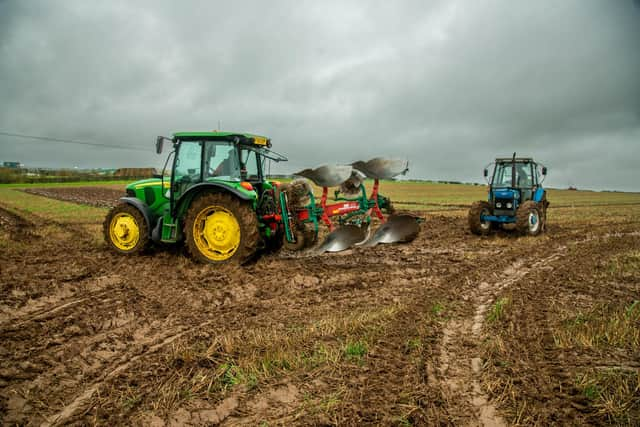
Mr Amos described the Yorkshire federation clubs as being “tight-knit”, adding: “It’s all networking. You get to know people all over the country.”
He was speaking as National Young Farmers’ Week highlighted how Young Farmers’ Clubs help rural young people develop skills, make friends and feel part of their local communities, alongside a campaign focusing on ‘belonging’, which has seen the clubs’ members challenged with creating scarecrow scenes in their communities, judged by farmer and television presenter Dave Nicholson from Cannon Hall Farm, near Barnsley.
Alongside the awareness campaign, this week saw the National Federation of Young Farmers’ Clubs publish a paper warning that too many young people are being prevented from working in agriculture due to longstanding barriers to entering and progressing in the industry.
At a time when policymakers and industry leaders are focused on food security, climate resilience and the future of domestic food production, the paper underlined that the average farmer in England is now over 59 years old, with more than a third aged over 65 and just five per cent under the age of 35.
Without targeted action to attract, support and retain the next generation, the report warns that British agriculture risks facing a significant demographic cliff edge.
The paper said it was important that farmers and new entrants to the industry should not be disadvantaged in accessing support through environmental land management schemes or in situations such as grant schemes that offer partial funding for the purchase of capital items.
Calling for greater support to access farm tenancies, including through the preservation of existing council farms and the development of measures to encourage landlords to offer tenancies to the next generation as historic Agricultural Holdings Act tenancies expire, the paper said people working in agriculture should be officially designated as key workers, enabling them to access support when applying for rural housing. The paper also recommended that young farmers should be active participants in shaping the future of agricultural policy that will impact their farming businesses and for improved access to and funding for high-quality land-based education.