‘Ease the burden’: John Healey urged to cut business rates and reduce National Insurance contributions for shops
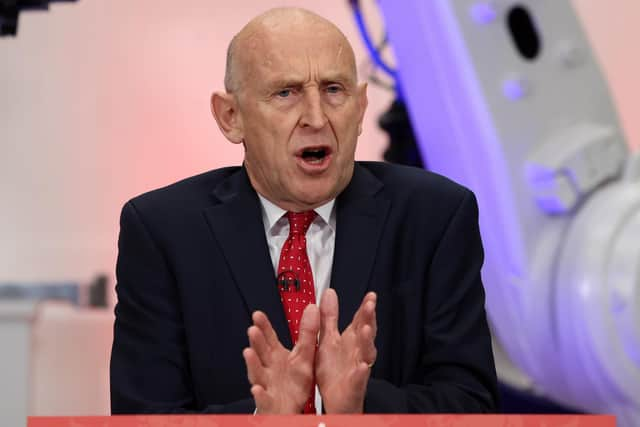
Chancellor John Healey has been urged to “ease the burden” on high street shops in this month’s Budget.
The British Retail Consortium (BRC) is calling on Mr Healey to raise the employer National Insurance threshold from £5,000 to £6,000, freezing the Consumer Price Index-linked increase in business rates and removing shops from the top band of business rates.
It comes after the BRC commissioned polling by Opinium which found 77 per cent of people agreed that improving Britain’s high streets should be an “important part” of the Budget.
The same survey found 89 per cent want the Budget to prioritise reducing the cost of living, while 83 per cent said they want to see action on youth unemployment. The BRC said the measures it is proposing would deliver the outcomes the public wants to see prioritised.
Helen Dickinson, chief executive of the British Retail Consortium, said: “The public, retailers and Government all want the same things: lower pressure on household budgets, more opportunities for young people, thriving high streets and a more productive economy.
"The Budget should be a chance to deliver on those shared priorities.
“Retail supports 2.8 million direct jobs and a further 2.7 across the economy, reaching every community in the country, so when retailers invest, families and communities feel the benefit through jobs, better high streets and lower inflation. But after two Budgets that pushed up costs, jobs and prices are increasingly under pressure.
“The choice is clear: ease the burden on retail and unlock investment in the things people care about.” The BRC said the retail industry employs 2.8 million people but has been hit with a 20 per cent increase in business taxes over the past two years.
It said the industry will pay £41 billion in business taxes in 2026/27 while over the last two years the industry has lost 122,000 jobs and one in seven high street properties now lies empty.
A Treasury spokesperson said: “The Chancellor’s Yorkshire heritage means he’ll be keeping his powder dry ahead of the budget on October 28 when everything will be announced in full.
"As has always been the case, decisions on tax are a matter for the Chancellor to set out at fiscal events, rather than routinely commenting on rumour, speculation or proposals.”
“The Chancellor is prioritising giving businesses the breathing space to invest, grow and manage cost pressures, which is why we are backing firms through business rates cuts, a cap on corporation tax, and a £4.3 billion support package to limit bill rises.”
Mr Healey warned last month that the Budget on October 28 will be challenging following a leap in the cost of Government borrowing, reflecting concerns among lenders about the inflationary impact of the US’s war with Iran. Mr Healey told the Financial Times he would ensure the UK emerges from his first Budget with a solid “buffer against uncertainty”.
Economists have predicted that the fiscal buffer Rachel Reeves built up in her last budget, through a combination of tax rises and departmental spending cuts, will be squeezed by the inflationary pressures of ongoing global turmoil.
This could limit Prime Minister Andy Burnham’s ambitions to tackle the cost-of-living crisis, and spending plans across his wider agenda for Government.
The Chancellor told the FT: “What’s happening in the Middle East is hitting inflation, it’s hitting growth, it’s hitting borrowing costs.”
He added: “It’s part of a more dangerous world that is more uncertain and it’s one of the challenges we have to meet in this country, but have to meet with other [countries].” A key fiscal rule requires the Treasury to bring the Budget into surplus by the end of the Parliament, excluding investment.
He said both he and the PM were “in lockstep in our determination to meet the fiscal rules”.