The lesson regional mayors need to learn from the Manchester City scandal - Ismail Mulla
Confession, I am a Liverpool Football Club fan. It’s an inheritance from my father who grew up watching the likes of King Kenny, John Barnes and Ian Rush delight fans every weekend. When I started watching them in the mid 90s, Liverpool were a shell of their former self.
Other than the odd cup competition success here and title fight that would end limply, it didn’t feel like we were watching the most illustrious club in English football.
In 2015, a German bloke named Jürgen Norbert Klopp came along and changed everything. I had ‘my Liverpool team’ that I could regale future generations with stories of.
Yet, their success didn’t translate into trophies. Stood in their way was a formidable opponent in a Pep Guardiola led Manchester City. They would put super team after super team out.
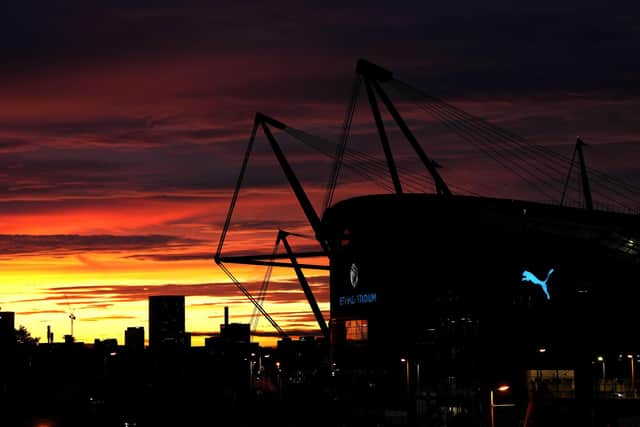
A Premier League team reaching 90 plus points during a season and not walking away as champions unprecedented. For that to happen twice to Liverpool flummoxed even the statisticians. Manchester City were irrepressible. So you could forgive us Liverpool fans if we engaged in a touch of schadenfreude after they were found guilty of breaking financial rules.
In short, for those who don’t allow their weekends to be dictated by 22 men chasing a bag of wind on a patch of grass, an independent commission found City arranged “sham” commercial deals with a number of its sponsors, which were part of a disguised funding scheme, whereby those companies were required to pay only a portion of the relevant sponsorship fees. The remainder was funded by Sheikh Mansour bin Zayed Al Nahyan’s Abu Dhabi United Group Investment & Development Ltd, which majority owned the club.
While this started off as a backpage story, I predicted, just as it broke, that it would quickly become one that dominates the front pages. And I was right.
Prime Minister Andy Burnham came out with a bizarre initial intervention, saying he “would be really concerned” if Manchester City’s owners sell the club following the guilty verdict for breaching Premier League financial rules. Thanking the owners for the money they had not only put into the football club but also the city of Manchester. Burnham of course served as Mayor of Greater Manchester from 2017 to earlier this year when he returned to Parliament and was anointed Prime Minister.
The PM even aired grievances over the treatment of his club Everton, which was previously punished for financial breaches, by the Premier League.
He soon backtracked when people reminded the PM that he was no longer the Mayor of Greater Manchester but rather the Prime Minister of the United Kingdom with a spokesperson for the PM saying the Premier League’s verdict against Manchester City was serious.
However, it soon became apparent why Burnham’s initial reaction was to lament the fact that the club had been found guilty by the Premier League.
It wasn’t long before the United Arab Emirates was threatening to cancel major investments in the UK over the ruling. For Manchester it would be a major blow.
The city’s skyline has been transformed in recent years. It is seen as one of the barometers of Burnham’s success as Mayor, attracting and directing much needed investment in the North West.
Now the political pressure is ramping up on Burnham. Leader of the Opposition, Kemi Badenoch is calling on the PM to publish “everything” related to his dealings with Manchester City.
Burnham became the poster boy for devolution during his time as Mayor of Greater Manchester but this saga exposes what happens when investment is left at the mercy of foreign powers.
It is understandable that regional mayors want to get as much investment into their local areas. It would be foolish to turn your nose up at money that could transform hundreds if not thousands of lives.
However, all mayors must ask the question, why is this particular state interested in pouring money into our area? It doesn’t always come down to financial returns. There are countries who yearn for soft power over Britain.
Back to the issue of football, there’s been a lot of talk about what the punishment should look like for Manchester City and how those on the wrong end of their success should be recompensed.
Would I like to see my team retrospectively rewarded trophies it may have missed out on? Not really. Because irrespective of the trophy haul, I know that team was special.