Sleep deprivation should not be worn as a badge of honour, politicians should prioritise rest - Kate Harry
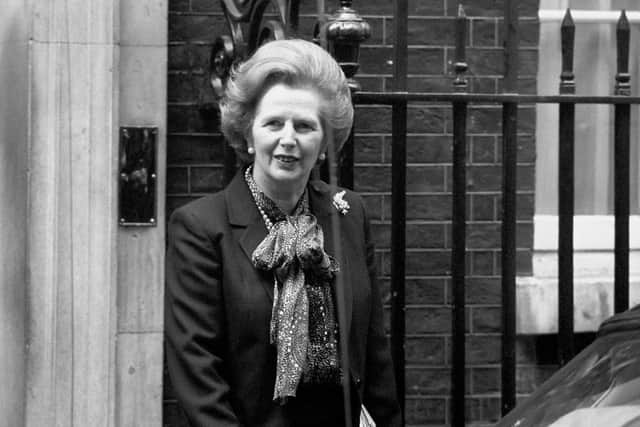
For years, politicians have treated sleep deprivation as a badge of honour. From Margaret Thatcher's infamous confession that she only slept four hours a night to stories of late-night negotiations, early-morning interviews and punishing schedules.
These signs of exhaustion are often presented as evidence of commitment and hard work. During party conference season, the culture is particularly visible. Politicians spend long days moving between speeches, meetings, media appearances and networking events, before often heading to evening receptions that stretch late into the night.
And this isn't just a political phenomenon. Our research found that 44 per cent of people believe sleeping very little is seen as a sign of hard work, ambition or success. Almost two thirds of working Brits also believe colleagues who start early and stay late are viewed as more committed to their careers.
The message we are being fed is clear: if you're serious about your job, you can survive on very little sleep. Yet should we really be celebrating that mindset when the people involved are responsible for making decisions that affect millions of lives and the direction of the country?
That culture matters because the public is increasingly rejecting the idea that exhaustion and effective leadership go hand-in-hand. Our recent research at Highgrove Beds found that nearly four in five people aren't confident in the judgement of a sleep-deprived Prime Minister or politician, believing they should get at least 6.6 hours of rest per night.
We are currently dealing with a disconnect between political culture and public expectations. Most of us understand the impact poor sleep can have on our own lives. 36 per cent of us have forgotten something important when sleep-deprived, 34 per cent have started an argument, 18 per cent have made a mistake at work and 15 per cent have made a bad financial decision.
Yet when it comes to politics, long hours and little sleep can still carry an uncomfortable sense of prestige.
The reality is that sleep is not a luxury; it's a necessity. Research consistently shows that sleep plays a vital role in concentration, decision-making, and emotional regulation. In other words, the very skills we would expect our government to demonstrate when tackling the country's biggest challenges.
Yes, the job demands long hours, but whether it's managing the economy or responding to international crises, good decisions matter, and so does the state of mind of the people making them.
80 per cent of us would be uncomfortable learning that an airline pilot was routinely operating while severely sleep-deprived, 77 per cent say the same for surgeons, and 79 per cent for HGV drivers. We recognise that fatigue can affect performance. Yet politics often seems exempt from the same conversation, and that's where we are going wrong.
Long hours do not automatically equal productivity. Exhaustion should not be mistaken for dedication. Being perpetually busy is not the same as being effective.
As a country, we've started to challenge the wider culture that glorifies burnout. More employers are recognising the importance of wellbeing, while elite athletes understand that recovery is just as important as performance. Increasingly, people appreciate that rest is not the enemy of success, but an essential part of it, and it’s time that politics caught up.
Kate Harry is a sleep expert at West Yorkshire-based Highgrove Beds.