PC shipments globally have dropped by 20.1% year-over-year in the third quarter of 2026, a decline of 15.8 million units. According to research firm IDC Global, this marks a steeper decline compared to the 3.8% year-over-year decrease that the market experienced last quarter. It’s also down 9.1% from the second quarter of this year. Many research firms have been warning about this since late last year, with IDC warning that the PC market could shrink up to 9%, with the budget sector being hit the hardest. Some experts estimate that the situation isn’t expected to improve until 2029, with* Tom’s Hardware* readers saying that they won’t upgrade their systems in the next two years.
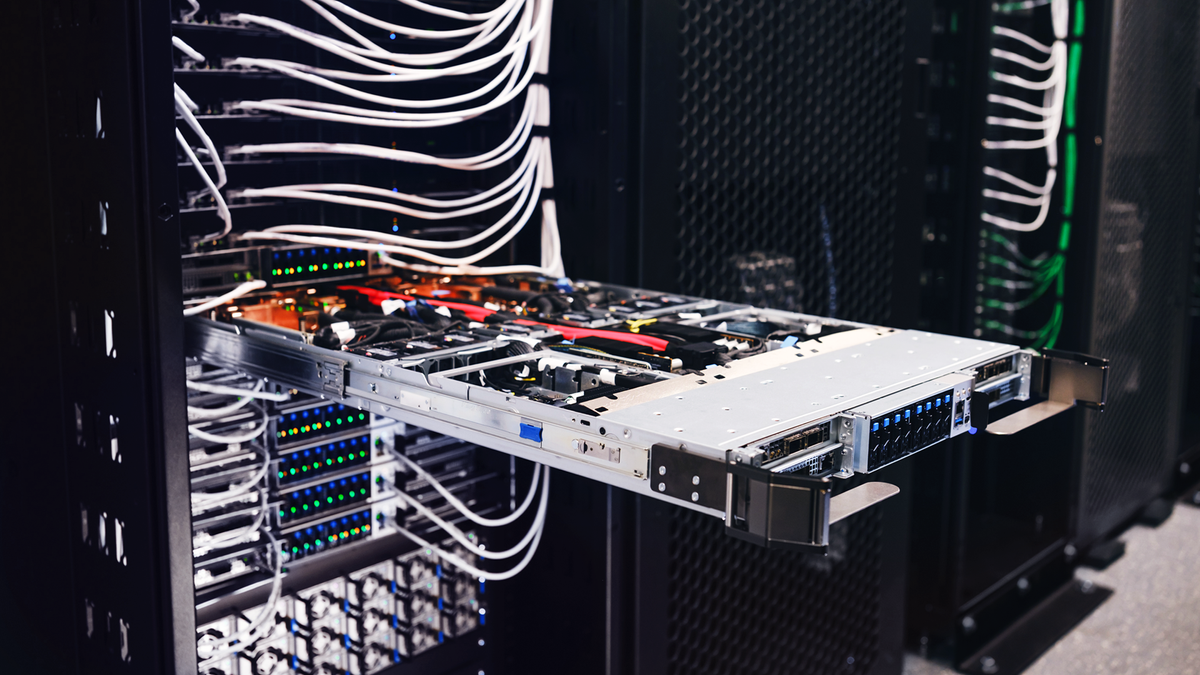
These price increases have been directly caused by the boom in AI data centers, with hyperscalers pouring massive amounts of money into the crucial HBM needed to support AI GPUs. This has led to memory manufacturers pivoting toward this technology, leaving less production capacity for consumer memory. One good example of this is Micron, which killed the Crucial RAM and SSD brand in late 2025 so that it can focus on data center production. As PC makers fight for a shrinking supply of memory chips, we saw memory prices climb by as much as 500%, with 128GB of DDR5 now costing as much as $3,399.
Manufacturers didn’t sit idly by and let the market take its course, though. Many of them stocked up on inventory in the second quarter of 2026 to try and head off the projected higher prices caused by the shortage, which directly led to the reduced shipments being reported. “What we’re seeing is the result of the strong first half pull-in. Vendors and channels loaded up on inventory early in the year to get ahead of price hikes, and that has thrown off the usual seasonality, where Q3 is typically larger than Q2,” said IDC consumer devices research director Jitesh Ubrani. “Channels are now worried about carrying too much inventory into a market where high prices are suppressing demand. That could translate into promotions and some short-term relief for consumers, but we don’t expect pricing anywhere near what it was a year ago. Prices will remain elevated. With macro conditions worsening, the risk is that the outlook for the next few quarters gets worse before it gets better.”
The top three PC vendors suffered the most, with Lenovo shedding 22.6%, HP shipping 30.9% fewer units, and Dell shipments contracting by 25%. On the other hand, Apple’s shipments shrank by 11.3%, while Asus’s numbers fell by 8.6%, with the rest of the market shipping 14% less year-over-year. Despite being hit the hardest, Lenovo, HP, and Dell still maintained their lead at 23.8%, 16.5%, and 12.1% market share, respectively.
Even though other industry leaders, including Micron, say that the situation will not improve for the next few years, Acer CEO Jason Chen went against the grain and said that these fears are just being hyped to protect the margins of memory chip makers. He estimated that PC prices will decline by the latter half of 2027 as Chinese memory chip capacity comes online, with only high-end parts like LPDDR5X-9600 and niche CPUs such as the Nvidia N1 and N1X remaining in short supply.
Follow * Tom's Hardware on Google News**, or* * add us as a preferred source**, to get our latest news, analysis, & reviews in your feeds.*
Get Tom's Hardware's best news and in-depth reviews, straight to your inbox.

Jowi Morales is a tech enthusiast with years of experience working in the industry. He’s been writing with several tech publications since 2021, where he’s been interested in tech hardware and consumer electronics.
-
Prices of some parts are 10x the "normal" price. So paint me surprised if buyers are not buying.
In the meantime, the AI bros keep stocking tons of hardware and store it on warehouses waiting for the invisible-pink data centers to become operational. Reply
-
The high prices are the biggest part of the equation.
But I suspect its also the fact that modern computing has been fast enough to meet the demands of most users for half a decade now.At my job I still do my software engineering on a 4 year old Intel 13th gen platform. We dont get upgrades because even if it is not "the fastest" the platform is still more than adequate to get the job done.
Same for my gaming PC. Still running an AMD 5600 from years ago and it is more than adequate to play all the games I play.
Why pay extreme prices for hardware you dont really "need"? Reply