
The definition of dyslexia has been updated for the first time in over two decades, a move that could influence how schools, policymakers and others identify and help students with learning disabilities.
Those struggling with dyslexia require specific support and recent research has helped describe the learning disorder more accurately.
The previous definition of dyslexia, laid out in 2002, gained wide acceptance and influenced both research and practice but was seen by experts as a working document that needed to be updated.
It was “a good definition based on the research at that time”, said Malatesha Joshi, a researcher at Texas A&M University. “But I think some of the biggest weaknesses were its emphasis on brain function and it was mainly based on English or Western European alphabetic writing systems.”
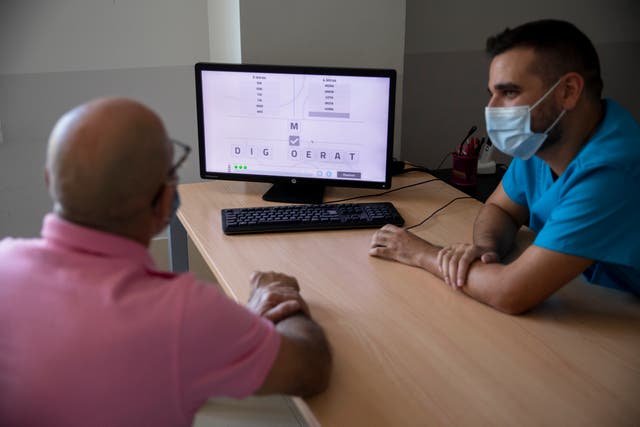
The 2002 definition required a 15-point difference between a standardised IQ test and a reading test for a student to qualify as dyslexic. This led to the exclusion of many students who needed a diagnosis.
The new definition makes three key changes. It removes that reliance on IQ tests to characterise the disability, incorporates languages besides English, and emphasises earlier identification and support.
"There were many children who came close to that definition but just missed that 15-point difference by one point. Because of that, they were not allowed further help,” Dr Joshi said.
"Walking, talking and eating are all brain-based activities. We have taken out the brain-based content so people don't think there is something wrong with their brain if they cannot read or have dyslexia.”
The 2002 definition advised caretakers to wait until the second or third grade to make a diagnosis. The update calls for earlier diagnosis as delay may prevent children from receiving timely support.
"Language and literacy support before and during the early years of education is particularly effective,” the new definition, published in the journal Annals of Dyslexia, states.

Dr Joshi noted that doing away with the standardised IQ test was a major change. "Because the definition emphasised IQ tests so heavily, every state and school has used them to diagnose, and hopefully that will be one of the big changes we see," he said.
"It's more productive to administer a reading test rather than an IQ test.”
The updated definition also reflects the broader body of research on dyslexia from countries where English is not the primary language, researchers say.
“They worked with the scientific research available at that time but most of it was centred on what we call the Western European alphabetic languages,” Dr Joshi noted, meaning the experts who developed the old definition.
“Since 2002, we have had more research findings on dyslexia in languages like Chinese, Japanese, Hebrew and Arabic.”
However, researchers say that, like its predecessors, the new definition should be regarded as a “living document” that will continue to evolve as scientific understanding advances.