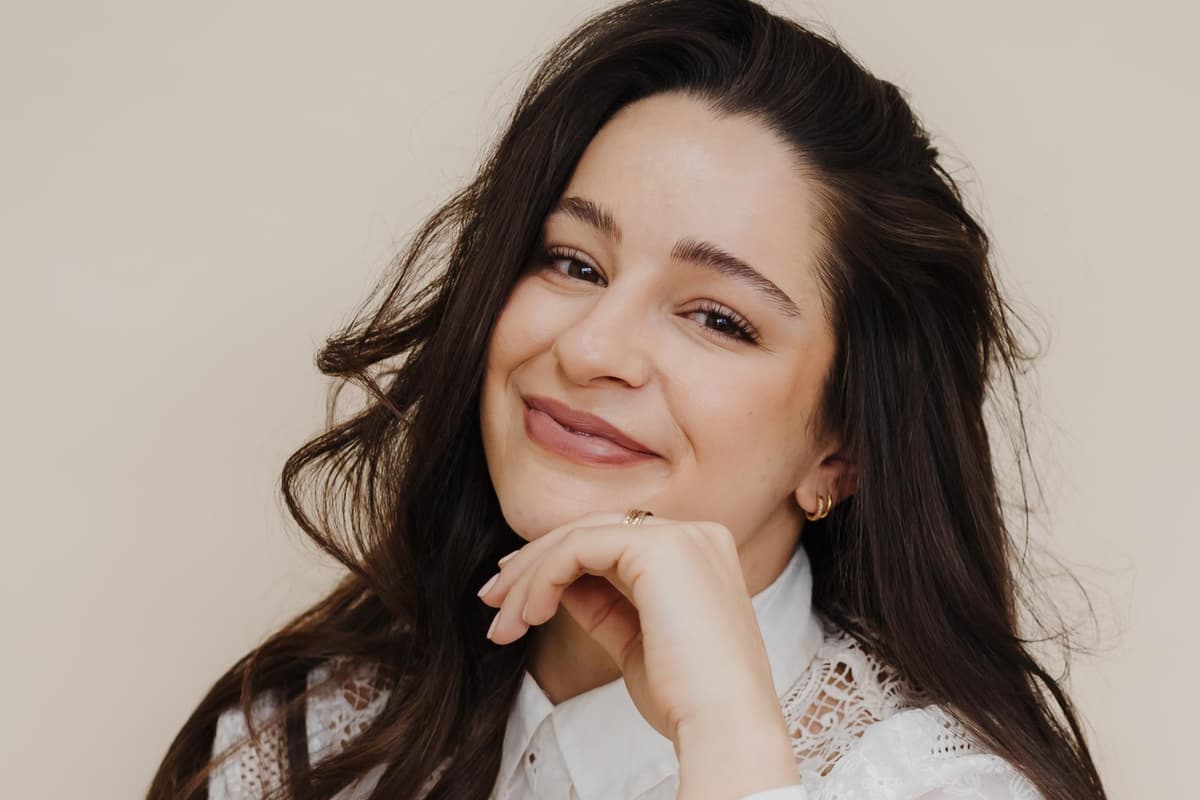
Race Across The World's Betty Mukherjee: 'I was born without a womb but I'm on my own path to parenthood'
Former Race Across the World contestant Betty Mukherjee opened up on the show about life without a womb. Now she’s part of a panel in Leeds exploring parenthood.

Betty Mukherjee has known for over a decade that her journey to parenthood would look quite different to that of her peers. She was 16 when doctors told her she had MRKH – Mayer-Rokitansky-Küster-Hauser syndrome – a condition that meant she had been born without a womb or cervix and would never have a period.
“It was a life changing diagnosis,” Betty, now 28, says. “I remember the doctor saying, ‘you won't be thinking about having kids yet’. But that was all I was then worrying about - what does my future look like? Am I going to have a boyfriend? Is anyone going to marry me? I've always been a bit of a chronic overthinker which didn’t help.
“And I think as a teenager, you are thinking those things anyway. It's like who am I? What's my identity? Who am I surrounding myself with? And so to be given this huge identity that I didn't know what to do with was massive. I actually went into denial for a long, long time. I didn't really talk about it. I didn't really tell my friends. I used to carry tampons in my bag in case anyone asked if I had one so I could cover up the fact that I didn't have a period. It was like living a bit of a lie for quite a few years.”

Her mindset changed when Betty appeared on BBC’s Race Across the World in 2024 alongside her brother, James. In a heart-to-heart captured on camera during their journey from Japan to Indonesia, she opened up about the emotional weight she carried as a result of her diagnosis. Since appearing on the travel adventure show, Betty has become an advocate for life with MRKH, using her platform to raise awareness of the condition and support the one in every 5,000 people affected.
Later this week, she will be contributing to a frank conversation about falling birth rates and the decision, delayed or declined, to become a parent, as one of six panellists taking part in the Leeds International Festival of Ideas debate ‘Are Kids Still Part of the Plan?’. Together members of the panel will explore the factors shaping decisions people are making on whether or not to have children and what it all means for society’s future.
“It’s such a relevant topic. We've seen that shift in culture of women waiting until later to have children,” notes Betty, who lives in Silsden, West Yorkshire. “And I just think things like egg freezing and embryo freezing and alternative ways to parenthood are going to be more common, even for women who potentially could naturally conceive.”
Fellow panellist, broadcaster Johnny I’Anson, who has two daughters with fellow BBC presenter Keeley Donovan, says the conversation is a salient one in a “bold, adventurous and powerful” festival. Reflecting on the changing birth rates, he says: “We have never had as much choice in our life, whether that's careers, opportunities to travel, or whether that's just a really rich and varied social life, that people often don't want to sacrifice."
Those factors were at play with his own journey to fatherhood. “I think we were just waiting for that right moment. And classically, there's never a right moment, is there? It's really interesting because you spend all of your early years being told that even if you look at someone the wrong way or they sit on the wrong park bench, they will get pregnant. And then no one really tells you about how fertility is profoundly affected by age. And I don't think it's any coincidence that of all of my friendship group, a significant proportion of them had issues around trying to conceive because we all left it until we were in our late 30s and some in our 40s.”
Global issues such as concerns about economic uncertainty, climate change and ongoing conflicts are also coming into play with people’s decision making around parenthood too, Johnny believes, and the cost-of-living crisis is a big factor when it comes to financial planning.
“If people right now are worrying about whether they can heat their homes and put food on the table when there's just one or two of them in a house, how scary is the prospect of them bringing a child or maybe a couple into the equation as well?”
For Betty, kids have always been part of the plan. But the route of how she’ll get there remains unknown. She and her partner have recently undergone two rounds of IVF and now have six embryos frozen for the future. One option they may consider is surrogacy, but Betty is also exploring taking part in a pioneering womb transplant trial. After losing her mum following a short period with cancer earlier this year, she is also coming to terms with the idea of a parenting journey without her own mother around for support.
“You can never be certain of anything really in this world and you never know what's going to happen and when,” Betty reflects. “My mum always taught us to just take the opportunities in front of us - that's all you can do within your control and then the rest is out of your control. It’s learning to be okay with that I suppose.”
“I feel weirdly at peace now, definitely with my diagnosis and kind of with whatever journey it's going to take us on next,” she adds. “I think at one point in my life I was very certain that womb transplant was the only way I wanted to go if I wanted to be pregnant because I wanted to carry my own child. But I think the older I get and the more I think about the prospect of just having a child, I think as long as it's happy and healthy, it doesn't matter how it comes into the world.”
- Leeds International Festival of Ideas opens tomorrow with a fireside chat with journalist and documentary maker Louis Theroux. The final day on Saturday begins with the discussion Are Kids Still Part Of The Plan? which takes place at Leeds Playhouse Courtyard Theatre at 2pm. Visit leedsinternationalfestival.com