
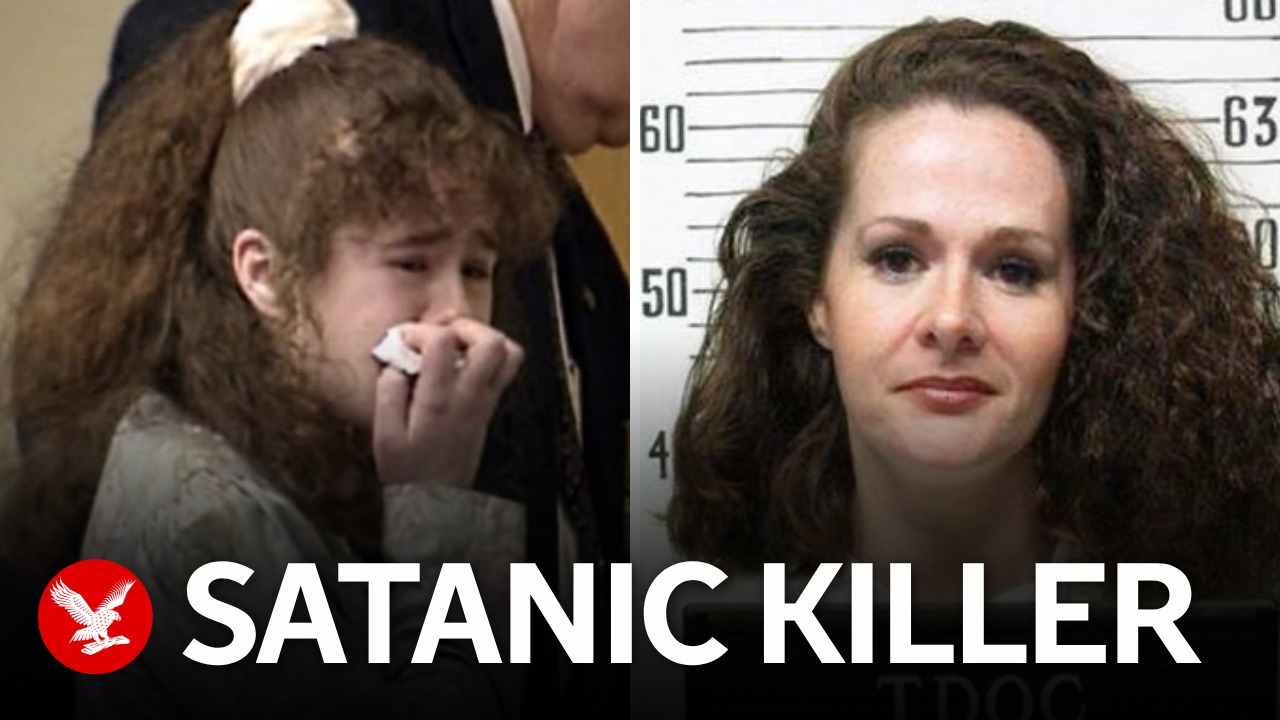
President Donald Trump has said carrying out a lethal injection “shouldn’t be very difficult” in his first public comments on the botched execution of Tennessee death row prisoner Christa Pike.
Pike, 50, remains alive but in a critical condition, her lawyer Randy Spivey said Thursday, after she survived two doses of pentobarbital during an attempt to execute her at a Nashville maximum security prison Wednesday evening.
She was due to be the first woman put to death in the state in 206 years for the brutal, “Satanic” 1995 murder of Knoxville classmate Colleen Slemmer, after a court overturned a late stay of execution. Experts say her survival is unprecedented.
Trump dubbed it an “interesting situation” when asked whether he would push for changes to capital punishment.
Pike was receiving “life-saving medical care” after her execution team went through at least seven needles while trying to find a vein in Pike’s arms to administer the lethal dose of the injection for her execution, Spivey said.
Her legal team has called the botched execution “chemical torture” while Amnesty USA and the United Nations commissioner on human rights called it “cruel.”
Inside the ‘Satanic panic’ teen murder that put Pike on death row for 30 years
Here’s an overview of Christa Pike’s story, from the gruesome murder that led to her being sentenced to death to her defense attorneys’ arguments for a more lenient sentence.
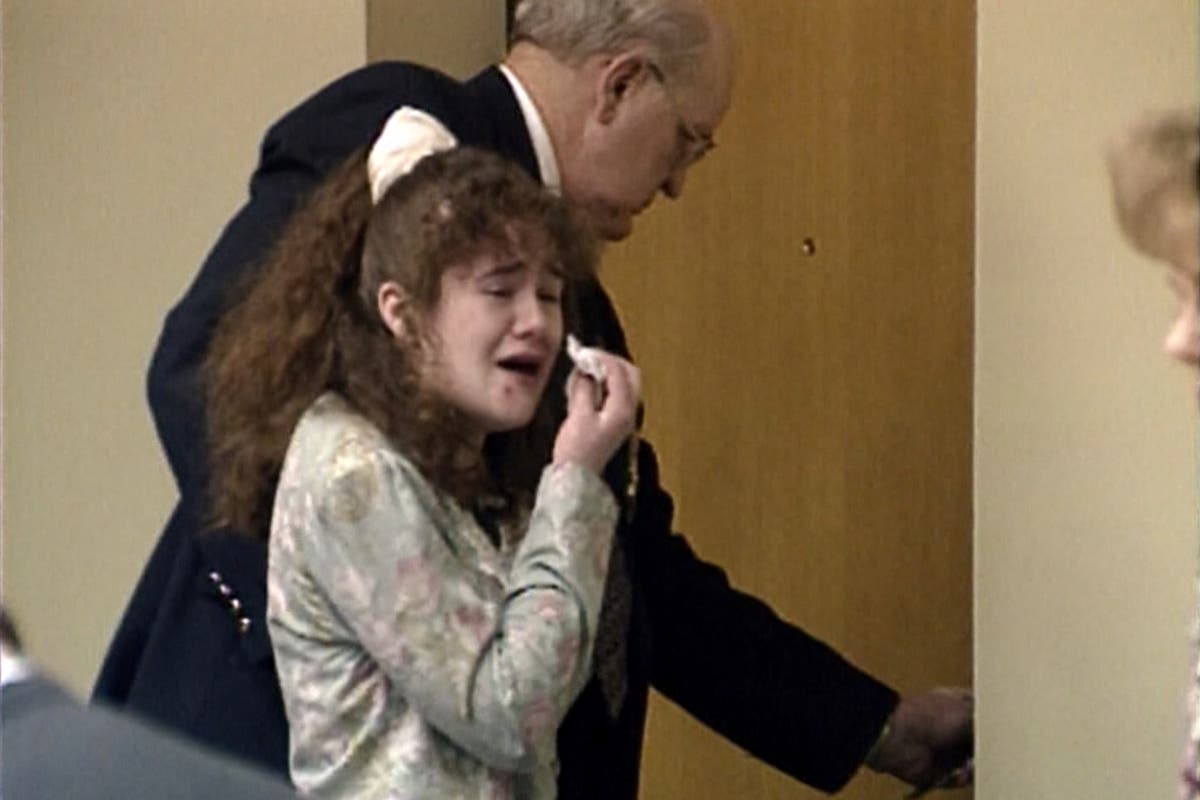
What will happen to Christa Pike now?
Pike’s lawyers have said she remains in a “critical condition” in hospital so much remains unclear about what precisely will happen next but, assuming she survives, the state of Tennessee could attempt to execute her for a second time at a later date.
While the Eighth Amendment to the Constitution bars cruel and unusual punishment, there is no automatic legal mechanism to shield a prisoner from a second attempt to carry out their sentence simply because the first failed, so long as investigators are satisfied that the proper procedure was followed and the subject’s rights were not impeded.
Inmates who survive the death penalty remain convicted felons sentenced to capital punishment and under state custody, their circumstances unchanged despite the advent of a technical fault.
Here’s more.

Mother of Pike’s victim says she wanted to finish killer off herself
The mother of the woman murdered by Christa Pike has spoken of her frustration at the killer’s botched execution and admitted: “I want to go kill Christa. How’s that?”
An understandably distressed May Martinez – who was in the witness room with her husband, Raul Martinez Jr, expecting to see justice served on behalf of her daughter, Colleen Slemmer, 31 years after her slaying – has since told People: “If I could have gotten in that room, I would have taken the box cutter and cut her up like she did Colleen.”
Here she is leaving Riverbend Maximum Security Institution Wednesday.

Comment: Christa Pike’s botched execution is an abomination that shames us all
No civilised society should be treating human beings like cattle, writes Victoria Richards.

How the botched execution of Christa Pike unfolded, by someone in the room
Christa Pike was scheduled to be executed. But after two injections, she kept breathing. She made snoring sounds, she talked, she said her arm was hurting.
Doctors are now trying to save her life.
She was critically ill and receiving "life-saving medical care" in a Nashville hospital on Thursday hours after she survived two attempts by Tennessee to execute her with lethal injections, her lawyers said, renewing scrutiny of capital punishment in the US.
Pike, 50, was sentenced to death in the 1990s after being convicted of a murder she carried out as a teenager.

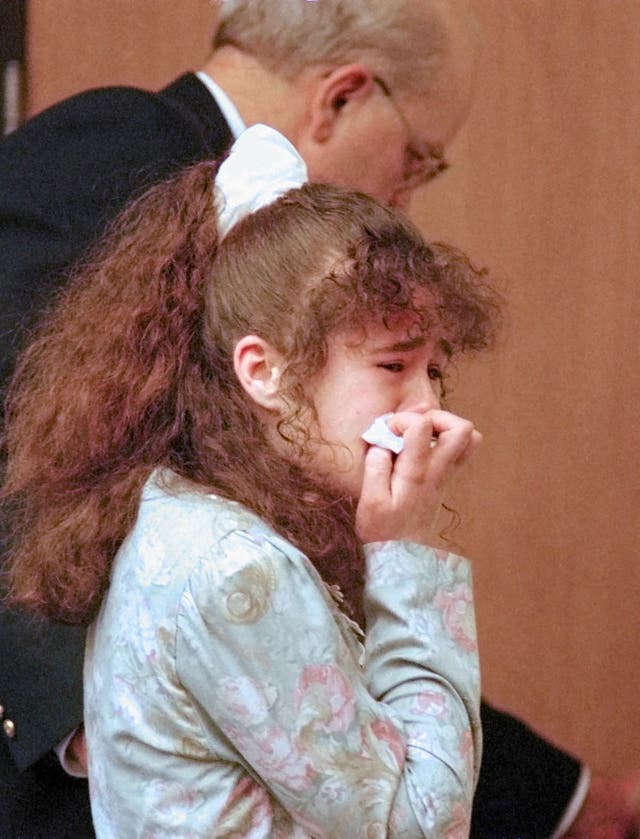
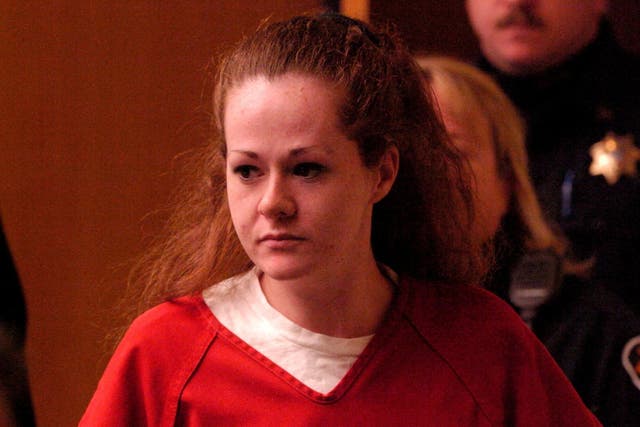
Christa Pike’s life in picture
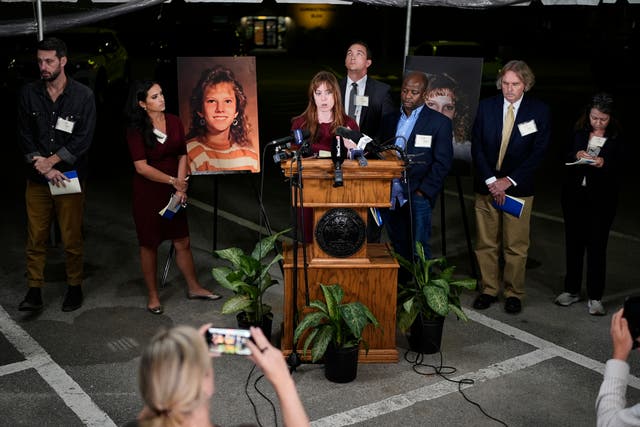
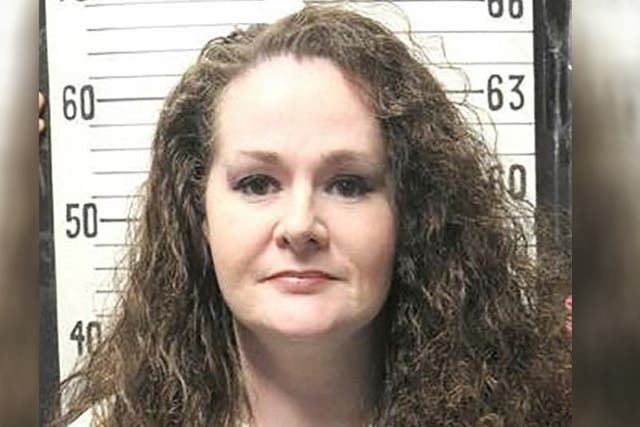

Pike was sentenced to death for 1995 murder of classmate
Christa Pike was sentenced to death for the 1995 killing of her 19-year-old Knoxville Job Corps classmate Colleen Slemmer.
Prosecutors said Pike, who feared Slemmer was a romantic rival, lured her to a secluded area where she and her boyfriend attacked her with a box cutter and a large piece of asphalt.
Pike’s lawyers argued that her death sentence was unfair because she was 18 at the time and jurors were not told about the sexual abuse she said she had suffered from childhood.
Pike's attorneys have said she experienced an exceptionally traumatic and abusive childhood.
Assistant Federal Defender Stephen Ferrell said Pike was sexually abused starting from when she was a toddler and that she was raped at ages 11 and 17.
Slemmer’s mother, May Martinez, witnessed Wednesday’s failed execution attempt and said her daughter had not received justice.
“I watched the whole thing. She was awake. She was laughing. She was moving her head, moving her feet. She was trying to sit up,” she said.
Pike’s then-boyfriend, Tadaryl Shipp, admitted carving a pentagram into Slemmer’s body. He was 17 at the time and was sentenced to life with the possibility of parole.
Trump says executing death row inmates 'shouldn't be difficult' on Christa Pike case
Donald Trump has responded to the botched execution of Christa Pike, calling it an “interesting situation”.
Asked by reporters whether he would push for changes to capital punishment following the failed execution in Tennessee, the US president said the matter was for state authorities.
“Well, that was an interesting situation, but you’re going to have to speak to Tennessee about it, whether or not they’re going to go forward,” Mr Trump said.
He turned to his aides, asking: “You know what that was about. That was an execution where the medication didn’t exactly work.”
Mr Trump then turned to Republican congressman Ronny Jackson, a physician who previously served as his White House doctor, and asked: “How does that happen? He’s a great doctor.”
Mr Jackson replied: “I don’t know how that happens. It should be easy to do.”
“It shouldn’t be very difficult,” Mr Trump added.
Tennessee has faced previous problems with executions
It is not the first time Tennessee governor Bill Lee has ordered an investigation into the state’s use of capital punishment.
An independent review four years ago found that Tennessee had failed to follow its own execution protocols and properly test lethal injection drugs. The investigation followed an execution that was halted in April 2022 over the mishandling of drugs.
In May, Tennessee also stopped the execution of Tony Carruthers after medical workers were unable to establish a second IV line despite attempts using his arm, hand and foot, as well as a central line.
Lee subsequently ordered officials to wait at least a year before attempting to execute Carruthers again.
I met Christa Pike on death row. As she survives her execution – what now?
