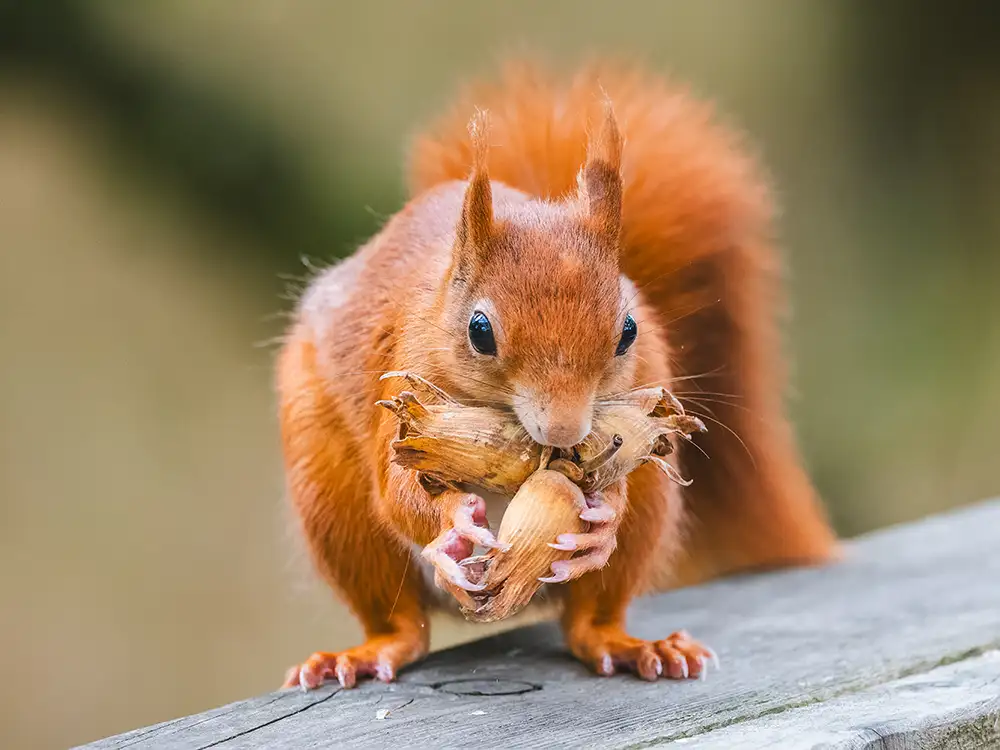
Castle Howard Arboretum has welcomed a young female Red Squirrel just in time for autumn.
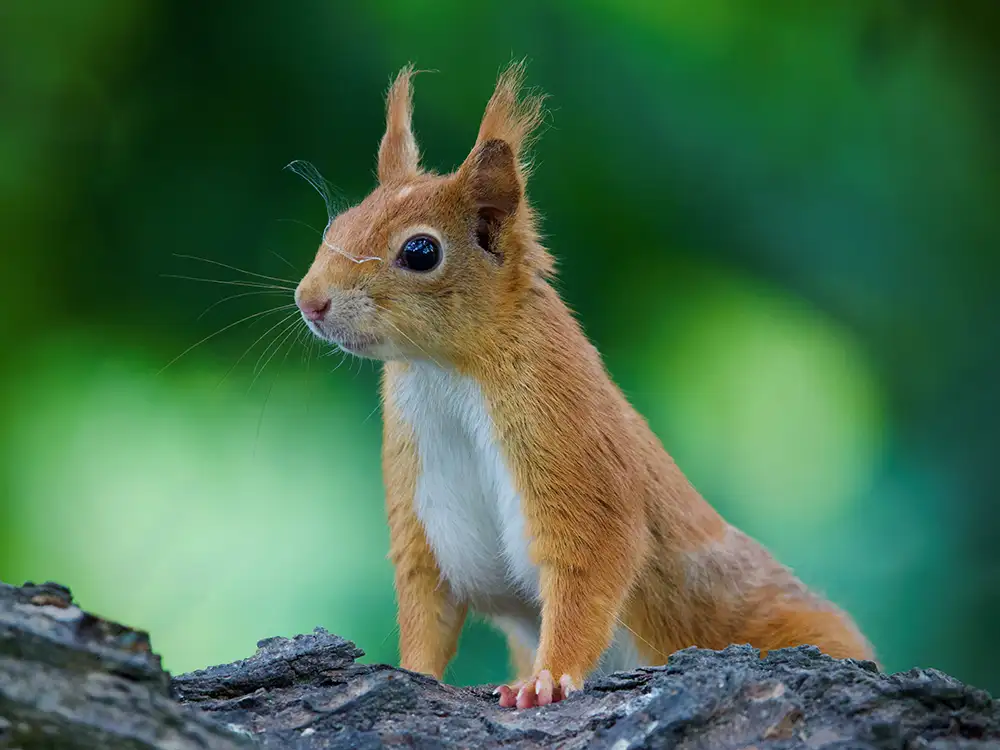
Cinnamon the red squirrel has arrived! Named by the Red Squirrel Volunteers at the Arboretum, Cinnamon joins two-year-old David Attenborough, who was named by public vote earlier in the year.
The young female is settling into her new home in the Arboretum’s on-site Red Squirrel Enclosure, with her arrival marking the next phase of one of the UK’s most successful Red Squirrel breeding programmes.
Since the programme started in 2023, 15 kits (baby squirrels) have been born and have gone on to partner breeding programmes, and into the wild at suitable locations in Wales.
Visitors can see Cinnamon from early October (exact date to be announced) inside the Red Squirrel Enclosure – David the red squirrel is currently very active in the enclosure, and viewable daily.
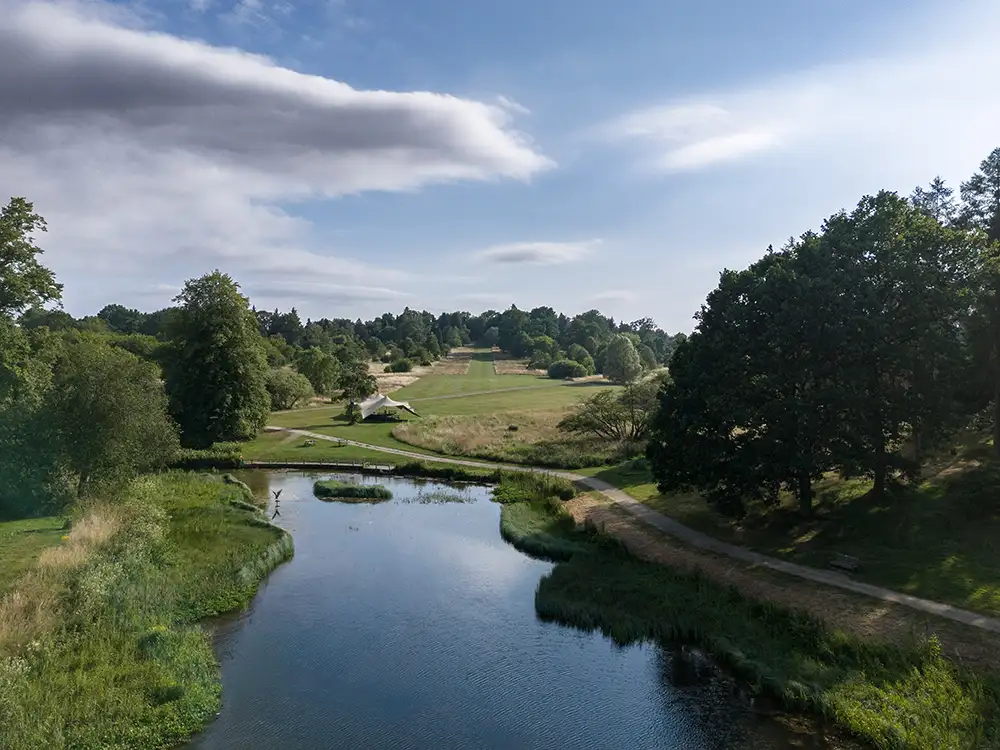
The enclosure was designed and built by Arboretum staff and volunteers, where the fence circles 2500m2 of ground, including a groveof oaks and other trees, in which the squirrels live natural lives.
Ben Paterson, arborist and red squirrel officer at the Castle Howard Arboretum Trust, said: “I can’t think of a better way to celebrate the start of autumn than by welcoming a new friend for David to the enclosure, she will bring much joy to our staff, volunteers and visitors.
“Cinnamon has arrived just in time for Red Squirrel Awareness Week, dedicated to increasing awareness of and action for the UK’s endangered red squirrels and their conservation, organised by the UK Squirrel Accord.
“We hope all our visitors that come to meet Cinnamon and David this month will learn something about the squirrels, delight in their playful behaviour, and feel inspired to support us in continuing to protect this lovely native animal.”
Access to the Red Squirrel Enclosure is included in Arboretum admission tickets. Although Red Squirrels may be seen throughout the day, they tend to be most active in the morning and later afternoon.