Sandilands: Former golf course on the coast which has been transformed into a wetland habitat
A former golf course that has been transformed into a wetland habitat to support a myriad of bird species is set to open, the National Trust has announced, with the public now able to visit Sandilands – a new 30-hectare nature reserve north of Skegness on the Lincolnshire coast.
The charity has spent six years of planning, consultation and habitat creation to turn the landscape of fairways and greens into a mosaic of wetlands, grassland and coastal scrub.
It is hoped that land will provide crucial habitats for birds including lapwings, snipes, terns and gulls and a stopover point for migratory species such as black-tailed godwits, spotted redshanks and spoonbills.
The charity’s team said nature had already started to return to the site even before the project was officially completed. According to rangers, avocets and oystercatchers have successfully nested and bred, while little ringed plover chicks have been recorded for a second consecutive year.
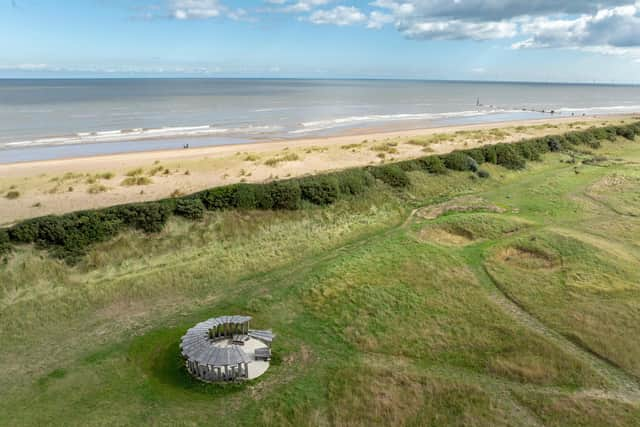
While the recent droughts and record-breaking heat have been among the challenges teams faced, they are now looking forward to seeing the wetlands transform over the wetter winter months.
National Trust Sandilands lies along the internationally important “East Coast Flyway” – one of Europe’s major migration routes, which thousands of birds travel each year between the Arctic and northern Europe breeding grounds and wintering areas further south.
It is also located within the Lincolnshire Coastal Country Park – a five-mile stretch of coastline, sandy beaches, dunes, grazing marshes, saltmarsh, coastal lagoons and reedbeds.
The charity said Sandilands’ addition to the country park will help create an important stepping stone for wildlife alongside the other Lincolnshire coast reserves at a time when nature faces growing climate and environmental pressures.
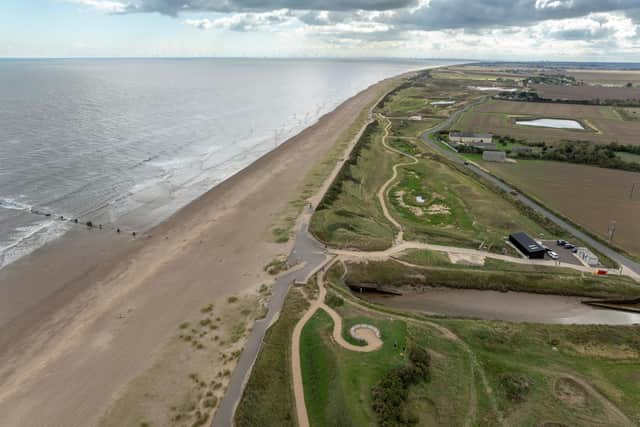
Katie Scott, area ranger for the National Trust at Sandilands, said: “Many of the species we’ll see at Sandilands are endangered or rare (having a red or amber conservation status), travelling thousands of miles on their extraordinary migrations, and depend on places like this to rest, feed and breed.
“Creating this new area of wetland to form a part of the coastal park will further extend the safe refuges for these birds to recharge and refuel each year, ensuring they can survive and thrive.”
Work to transform the former golf course into a nature reserve included earthworks with nearly 52,000 cubic metres of earth moved – enough to fill 21 Olympic swimming pools – helping create new wetland habitats across the site. Meanwhile, more than 35,000 native coastal shrubs, including sea buckthorn, gorse, goat willow and blackthorn, have been planted.
It has been supported by a £2 million investment from the Mablethorpe Towns Fund through Connected Coast, £1.5 million from National Highways and £200,000 from the UK Government Shared Prosperity Fund, delivered by East Lindsey District Council, alongside the support of local partners, community groups and volunteers.