Protection for wildlife extended at Fulford Ings nature haven
On the banks of the River Ouse and overlooked by Bishopthorpe Palace, Fulford Ings was first designated a Site of Special Scientific Interest (SSSI) in 1992 for its floodplain meadows which provide a haven for rare and at-risk species.
As such, the beauty spot south of York is a registered Communion Forest, an initiative created by the Church of England to recognise ecosystem conservation, protection and restoration efforts undertaken by provinces, dioceses and churches across the Anglican Communion.
The initiative focuses on eco-system conservation, protection and restoration, undertaken by provinces, dioceses and churches across the Anglican Communion. The Church Commissioners for England have agreed a 30-year lease with Yorkshire-based conservation group the Carstairs Countryside Trust (CCT), securing additional land following years of successful habitat restoration work at Fulford Ings.
The lease adds a further five acres to the existing 90-acre wetland site and means it can be managed holistically.
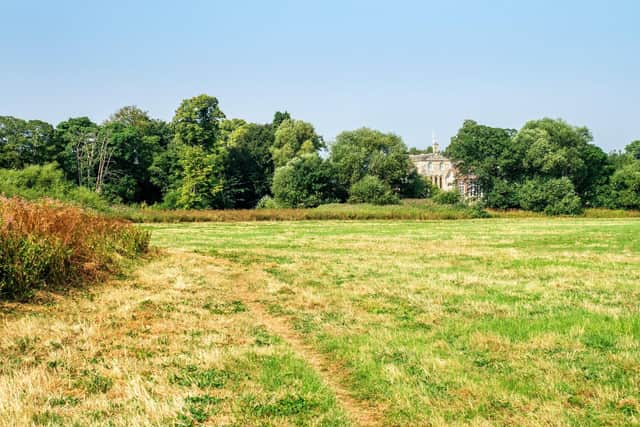
Fulford Ings is home to an abundance of birds, insects and other wildlife and plays an important role as flood storage for the River Ouse.
Fulford Ings’ unique bird population includes a pair of curlew, listed on the IUCN’s Red List for Birds – a roll call of the world’s most threatened species – as well as a pair of kingfishers, which are protected under the Wildlife and Countryside Act.
The site is also home to the endangered tansy beetle, known locally as the Jewel of York for its metallic green colour, while its ponds are among the northernmost locations of the rare Agabus undulatus beetle, recognisable by the wavy lines on its back.
It lays its eggs in clusters or rows on a substrate near or in water and upon hatching, the larvae appear worm-like with segmented bodies and provide food for frogs and toads, aquatic birds, fish, other aquatic insect species.
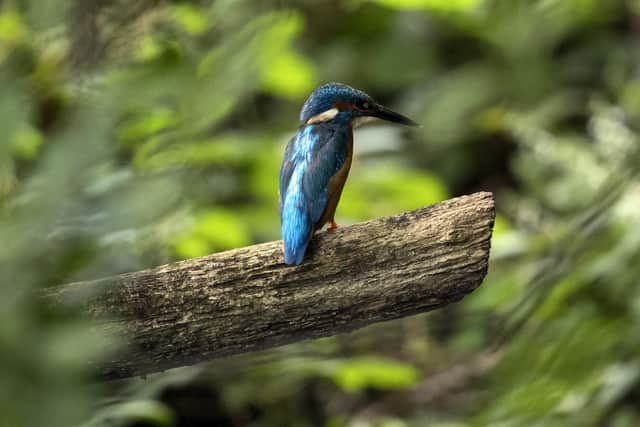
A recent survey by Natural England concluded that Fulford Ings was in a favourable condition as a result of the CCT’s management of the site since 2010.
The trust has proposed the site to be considered as part of a new National Nature Reserve and forms a core part of the collaborative Nature Recovery... WeCan initiative pioneered in the York area, to encourage everyone to rise and address the challenges facing the natural world.
“With a history that dates back over nine centuries, Fulford Ings is an important riverside location for nationally and regionally significant species as well as for the public at large,” said Robbie Brett, Environmental Asset Manager at the Church Commissioners for England. “Our agreement with the Carstairs Countryside Trust adds to a successful nature conservation effort of several years. We look forward to working collaboratively to ensure the site’s wildlife continues to flourish.”
Welcoming the news, Stephen Cottrell, Archbishop of York, said: “The care of creation is a vital part of our Christian calling. Places like Fulford Ings remind us that when we work together to restore and protect the natural world, we are investing in the flourishing of both people and wildlife. I welcome this partnership, which will help ensure this remarkable landscape continues to be a place of beauty, biodiversity and hope for generations to come.”
The site’s Viking influence remains evident to this day, with its name believed to derive from the old Norse word ings, meaning seasonally flooded land.
"Co-operation with the Church Commissioners for England is a milestone in helping the Trust to drive forward local partnerships for wider nature recovery. It helps to place this historic City in the forefront of building back nature across the country,” said David Hargreaves, Operations Manager at the Carstairs Countryside Trust. Alongside nature conservation, the publicly accessible site is also popular among locals and visitors alike for riverside walks.
The agreement with the CCT forms part of the Church Commissioners’ ongoing work to identify areas of its land across England that are suitable for nature restoration and biodiversity initiatives, with partners elsewhere including the RSPB, Natural England and Butterfly Conservation.
The Commissioners’ Sustainability for Real Assets report and recently published National Estate for Nature – Our Management Plan, describes how nature recovery is being built into the management of its land. As a member of the government’s National Estate for Nature group, the Commissioners are continuing to increase the proportion of its estate managed for nature.