'I'm a Yorkshire Dales cattle farmer - SFI doesn't work for me'
A North Yorkshire farmer who missed out on Sustainable Farming Incentive funding, after the window slammed shut in less than six hours, has said the scheme does not work for the industry.

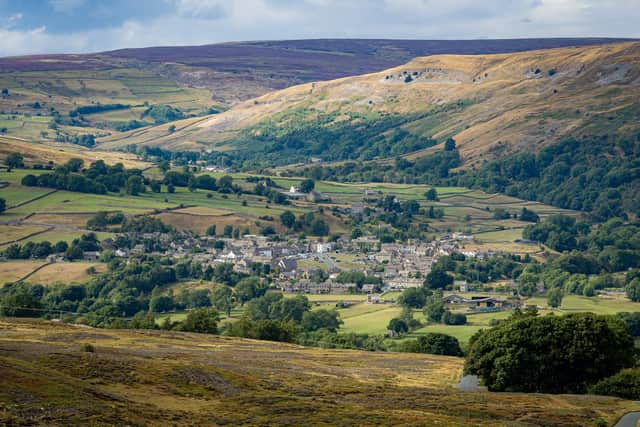
Jo Coates, who runs a small Shorthorn cattle farm in the Yorkshire Dales National Park near Richmond, was one of the many farmers that was caught out by the rapid closure of SFI this week.
The scheme pays farmers in England for “public goods” such as insecticide-free farming, wildflower strips and managing ponds and hedgerows, something the 35-year-old is really interested in.
The main window for farmers opened on Tuesday, however the Environment Department (Defra) closed it in less than six hours as the £233m fund had been completely allocated.
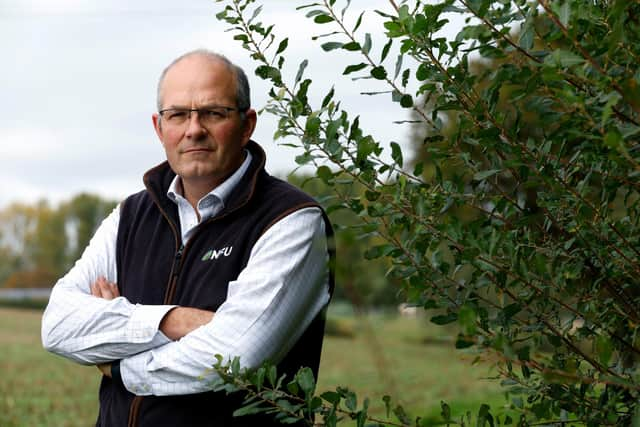
Shadow Farming Minister Robbie Moore described it as an “absolute farce”, while National Farmers’ Union president Tom Bradshaw said it had been “botched”.
The SFI debacle comes amid what some fear could be the worst harvest on record, amid scorching temperatures throughout the spring and summer that have affected everything from arable to dairy.

Ms Coates said that in theory the SFI window had come “at a really good time for us because we were really interested in nature-friendly farming and applying that to a whole farm system”.
However, last week, she found out that the farmer needed a new single business identifier (SBI number) from the Rural Payments Agency to apply, which didn’t arrive in time.
That meant that the five-hour long window closed too quickly for any SFI application.
She told The Yorkshire Post: “SFI itself in principle we’re really on board with, but the actual system it’s delivered in we’re not so much on board with.
“We don’t think it really works for the industry.”
Ms Coates is part of the Nature Friendly Farming Network and the Yorkshire Agricultural Society’s Future Farmers scheme, and she said many of her peers had similar comments.
“Some people had technical issues or people work off farm and they found they just couldn’t get there on time,” she explained.
“They were thinking they would do it on their lunch hour - there are a lot of circumstances for people that mean they missed out.
“We knew it would be very quick fire, I didn’t expect it to last for more than two days.
“The situation [with the SBI number only happened with us the week before - it means if you’ve got any kind of exceptional circumstance that means you will miss out.
“It does potentially change what we can do in the next year.”
For farmers like Ms Coates, who have a real focus on nature-friendly it is a big blow.
“I am really interested in education and introducing people who are not from farming backgrounds or don’t have access to the countryside,” she said.
“Or how you can have a working landscape that is also looking after nature.”
She recently had really great feedback on a wildflower meadow that has been developed, however missing out on SFI has been a blow.
“There must be better ways of doing it,” she added, “I think we need to look at other industries.”
NFU president Mr Bradshaw said “farmer was pitted against farmer”.
Yesterday afternoon, he met with Defra ministers to discuss the next SFI scheme in 2027.
After spending more than a year reforming SFI before the first window opened in June, the Government has now said it will look at changing from a first-come, first-served application process.
Mr Bradshaw said: “What we urgently need now is the clarity around when 2027 will open and when those first agreements will start so you start to have some belief that there will be cash coming into your businesses.
“It simply isn't good enough and there need to be urgent answers.”
Farming Minister Stephen Morgan said: “Farmers will receive almost a third of a billion pounds each year for three years under new SFI26 agreements.
“That’s nearly a billion pounds invested in resilient farming.
“Previously a quarter of funding headed to just 4 per cent of farms making claims.
“That’s why this government developed a fairer system to reach more farmers by capping applications at £100,000, and ensured small farms and those new to environmental land management schemes were prioritised.
“I know some farmers who wanted to join SFI26 will be deeply disappointed not to have secured an agreement during window 2, particularly given the challenges the sector has faced this year.