The United States is preparing to send another aircraft carrier to the Middle East after Donald Trump vowed to continue the war with Iran “for as long as necessary” and without a timetable to resume peace talks.
Senior US Navy officials told CNN that the USS Theodore Roosevelt Carrier would be deployed for at least seven months. It is expected to relieve the George Washington, USNI reported.
News of the deployment emerged as Trump told Al Jazeera that the US is "achieving a very big victory" over Iran on the eve of the six month anniversary of the conflict.
The US president was insistent that he was “not in a hurry” to get back to peace talks with Tehran and has “no time line” to work to.
“We are winning very big,” he said. “They’ve got massive inflation, their economy is falling apart ... I have no time schedule; whatever it takes.”
Watch: US Treasury chief Scott Bessent issues stern warning to Iran's 'enablers'
CIA chief pressed Russia to reduce support for Iran during Moscow trip
CIA director John Ratcliffe used a rare, unannounced visit to Moscow on Tuesday to press Russian officials to reduce their military and economic support for Iran, Politico reported, citing a person familiar with the trip and a UK official with knowledge of the visit.
Ratcliffe also warned Russia against escalating conflict with US Nato allies, particularly Estonia, Latvia and Lithuania, amid concerns over Moscow’s growing threats to alliance members supporting Ukraine.
The trip was the first known visit to Moscow by a CIA director under president Donald Trump and was not publicly acknowledged by the administration until Wednesday.
Trump described the visit as “semi-routine” and said it was aimed at helping bring the war in Ukraine to an end.
Mike Pence warns Trump he’ll have to ‘go in and finish the job’ in Iran
Former US Vice President Mike Pence has firmly backed his old boss over the Iran war - but warned that Donald Trump would soon have to “go in and finish the job” to claim a defeat.
Trump faces increasing unpopularity at home tied strongly to the war, which he and his Cabinet officials predicted would be over in a matter of “weeks” but is now approaching its six-month mark.
Pence told CNN Sunday that the Iranian military and its leadership were not recognizing the reality on the ground, and implied that the deployment of further forces inside Iran would be an “inevitable” next step.
Read on...
Pentagon's Nato review preparing troop options for Hegseth
The Pentagon will draw up at least four options for the future of US troop deployments in Europe by 6 November, months before a review of the roughly 80,000 US forces stationed across the continent is due to be completed.
The review has raised concern among Nato allies that president Donald Trump could push for major troop cuts and punish European countries he believes failed to support the US-Israeli war against Iran.
A Pentagon document seen by Reuters says the options will examine different US force levels and deployments, as well as allies’ support on basing, overflight, defence spending and other areas.
The US military’s top general in Europe is due to join a key briefing with Pentagon policy chief Elbridge Colby by September 18, when options for Defence Secretary Pete Hegseth are expected to be shaped.
The Trump administration has repeatedly said Europe must shoulder more of Nato’s defence burden, with Hegseth accusing some allies of “free-riding”.
European officials remain sceptical of the review and fear Washington may have already decided to reduce its military footprint.
The Pentagon says the review will produce a “spectrum of options”, from maintaining current deployments to significantly reducing US forces in Europe.
Iranian president says US and Israel started war, urges neighbours to stay out of conflict
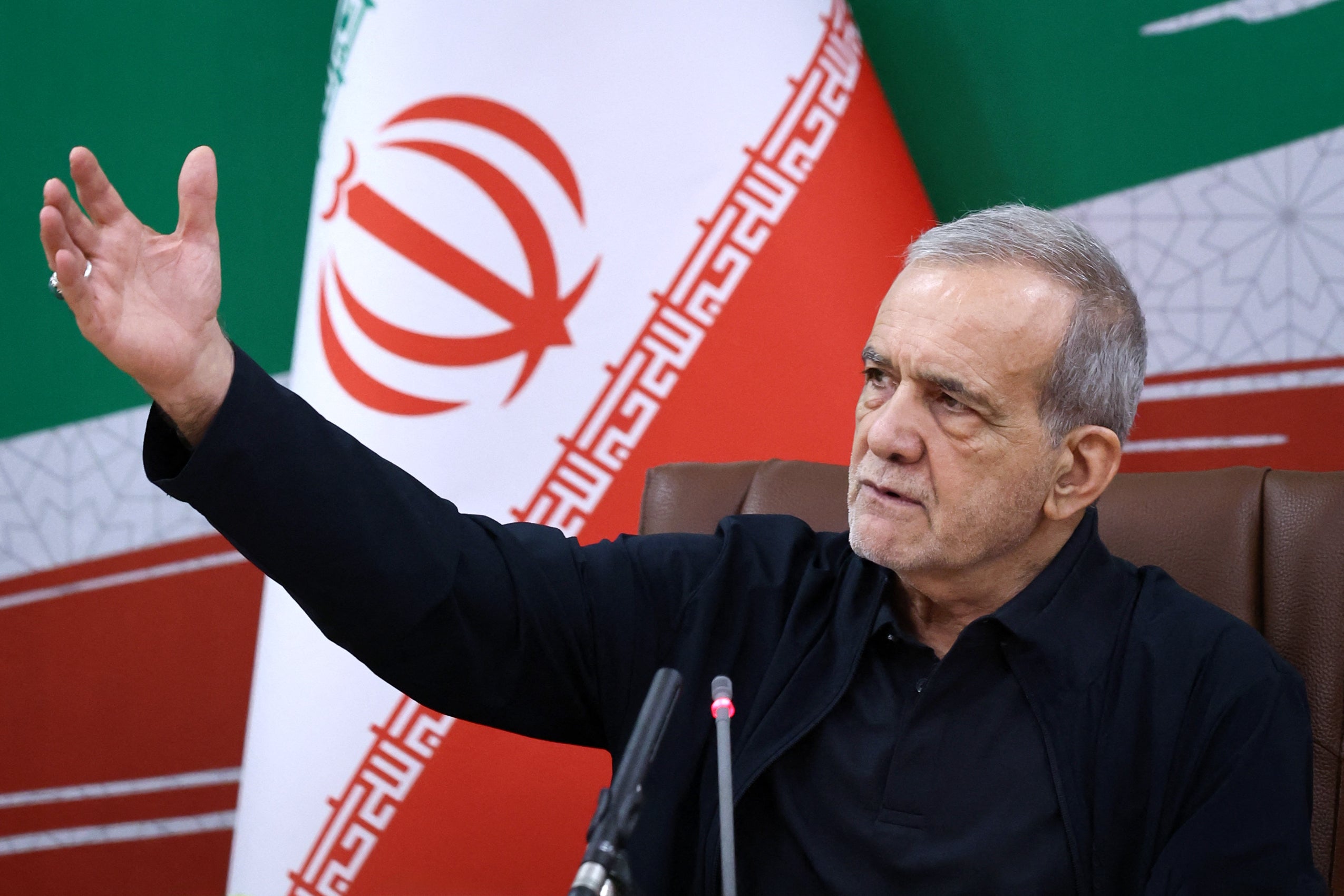
Iranian president Masoud Pezeshkian said Iran did not start the war in the region but “stood firmly against the aggressors”.
“The US and the Zionist entity launched a war on Iran,” he said.
Pezeshkian was speaking at the 40th International Islamic Unity Conference in Tehran.
He also reiterated Iran’s position that neighbouring countries should not allow their territory to be used for attacks against Iran.
“No Muslim country should pursue its security in the insecurity of its neighbours,” the president said in remarks quoted by state media.
“No Muslim country’s territory should be used against another Muslim nation,” he added.
Pezeshkian also called for stronger economic ties among the 57 members of the Organisation of Islamic Cooperation, saying greater trade within the group could help strengthen Muslim economies.
ICYMI: Iran claims there is a $10 million bounty on Barron Trump
Iranian state media has claimed there is a $10 million bounty on Barron Trump, Donald Trump’s 20-year-old son, according to a new report nearly six months into the US war with Iran.
Footage broadcast on Channel 3, which is linked to Iran’s Islamic Revolutionary Guard Corps, was titled “Where and how should we kill Barron Trump?” Euronews reported Monday.
It reportedly displayed the location of his university, as well as Secret Service positions and escort vehicles, while claiming his whereabouts were “fully monitored.”
Read on...

Shipping traffic through Strait of Hormuz remains weak
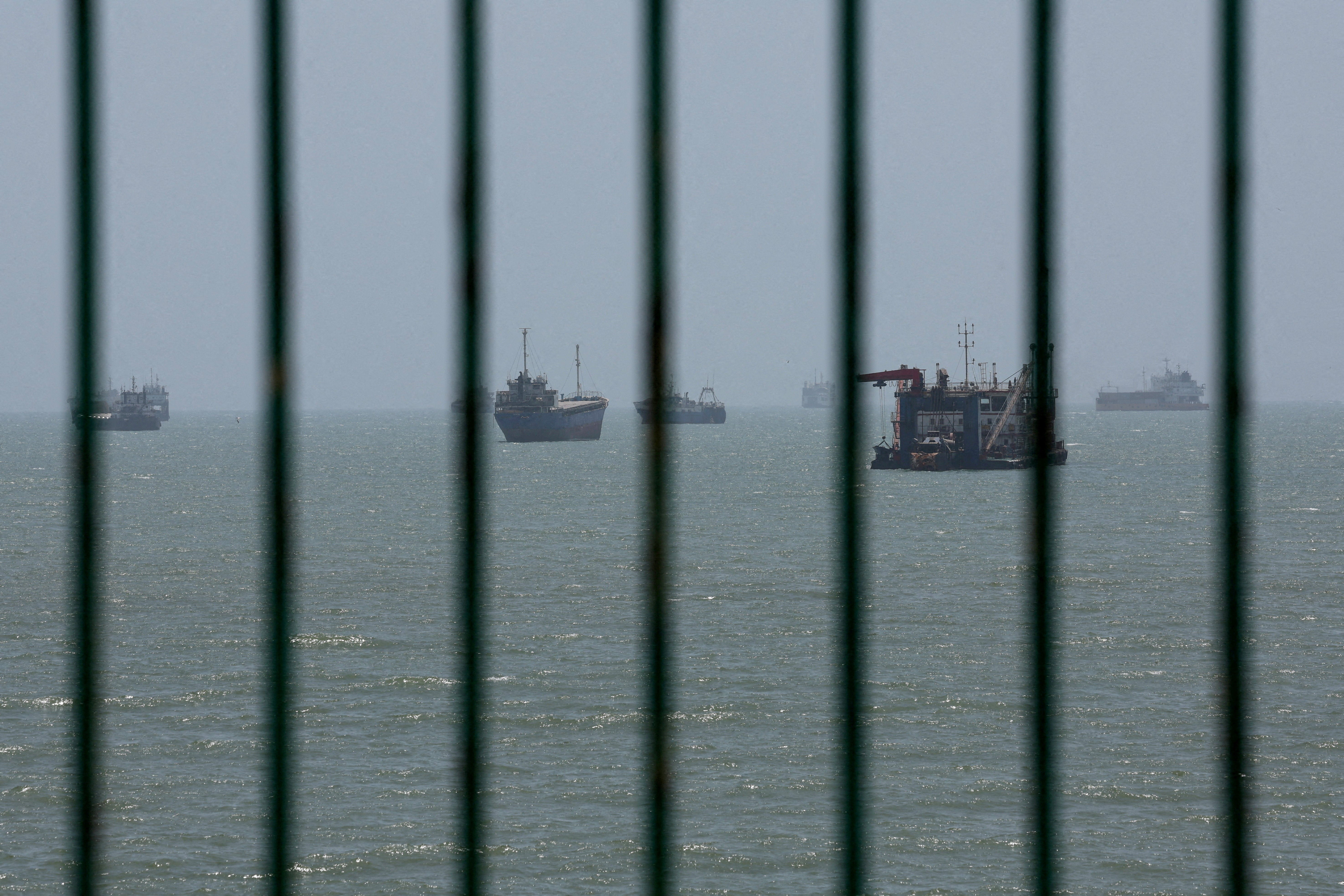
Traffic through key Gulf waterways remained subdued amid continued diplomatic and political tensions between Washington and Tehran, according to shipping data cited by Reuters.
Kpler data showed cargo vessel sailings through the Strait of Hormuz edged up on Wednesday from Tuesday, but remained well below the 10-day average.
Six consequences of six months of US-Israeli war on Iran
Six months into the US-Israeli war on Iran, the conflict has become a costly stalemate, with no clear path to an end. Here are six major consequences:
1. Trump is paying a political price
Trump’s approval rating has fallen from 40 per cent to 33 per cent since the war began, and only 31 per cent of Americans now approve of the conflict. Rising fuel prices and the war are also creating headaches for Republicans ahead of the midterms.
2. Global economy is shaken, but remains resilient
Disruption to the Strait of Hormuz sent energy prices soaring and forced the IMF to cut its global growth forecast to 3% this year. But the impact has been less severe than feared, partly because economies are now less energy-intensive.
3. Iran is wounded, but not defeated
Iran has suffered major military and economic losses but retains missiles and drones and has kept the Strait of Hormuz severely disrupted. Food inflation reached 128 per cent year-on-year in July, deepening the economic crisis.
4. The Middle East is less secure
Iranian attacks have hit US military and diplomatic facilities in Gulf states and disrupted air travel. Shipping disruptions and higher insurance and transport costs have further strained regional economies.
5. Iran’s nuclear programme is delayed, but not eliminated
US and Israeli strikes damaged key Iranian nuclear facilities and killed scientists, potentially pushing back its ability to produce weapons-grade material. But the whereabouts of hundreds of kilograms of highly enriched uranium remain unclear.
6. US military readiness is under strain
The US has lost aircraft and used large quantities of precision munitions and missile interceptors. Assets have been shifted from Europe and the Indo-Pacific to the Middle East, raising concerns about America’s ability to respond elsewhere.
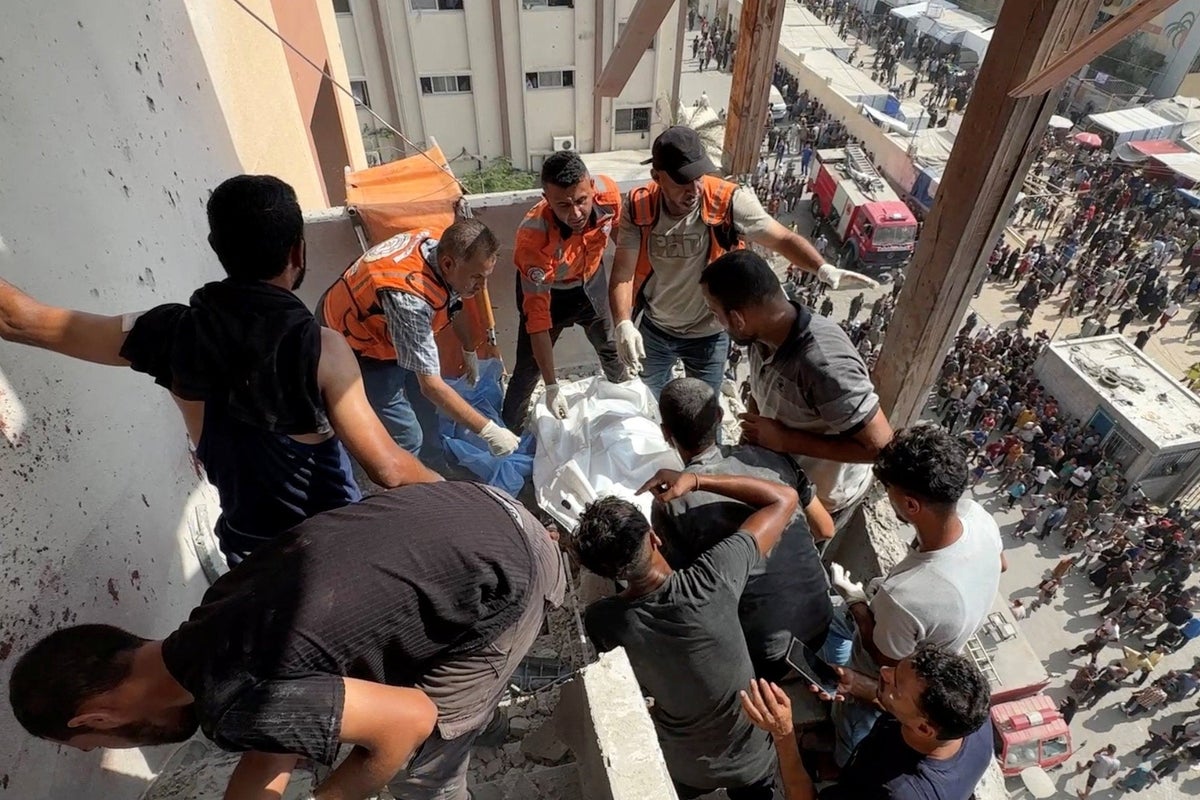
Inside the Israeli military policy to ‘justify’ lethal actions in deadly attacks on civilians in Gaza
The Israeli military uses a de facto policy of “retrospective incrimination" for high-profile attacks that kill a large number of civilians without a clear military objective in Gaza, including deliberately counting Palestinians as “terrorists” even when unarmed, a soldier has revealed.
The whistleblower, who Israeli advocacy group Breaking the Silence put in contact with The Independent, said it is "policy" to reframe attacks with high death tolls or those on sensitive protected buildings like hospitals and schools. The same soldier said this action was deployed after Israel's 25 August 2025 double-tap attack on Nasser medical complex in south Gaza, which killed 22 people, including five journalists, among them* Independent Arabia* reporter Mariam Abu Dagga.