The number of asylum seekers housed in hotels has halved in the past year as the Home Office pushes to close down the controversial accommodation, new figures have revealed.
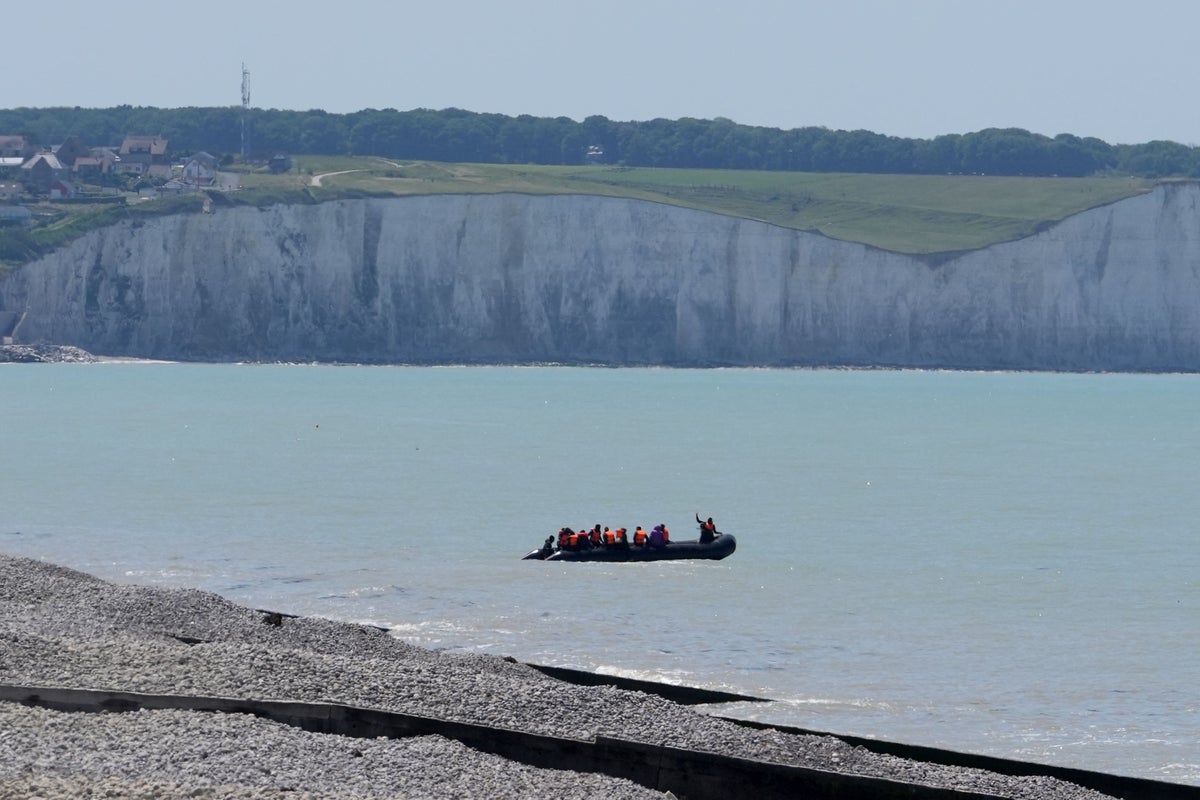
Small boat crossings to the UK have also fallen by 23 per cent year-on-year, mirroring similar trends across Europe.
Government figures released on Thursday show that there were 16,000 asylum seekers living in Home Office hotels in June this year, down 50 per cent on a year earlier.
Ministers continue to close hotels housing asylum seekers as part of a move to using larger sites, such as former military barracks. Asylum seekers are also being moved into homes of multiple occupancy (HMOs).
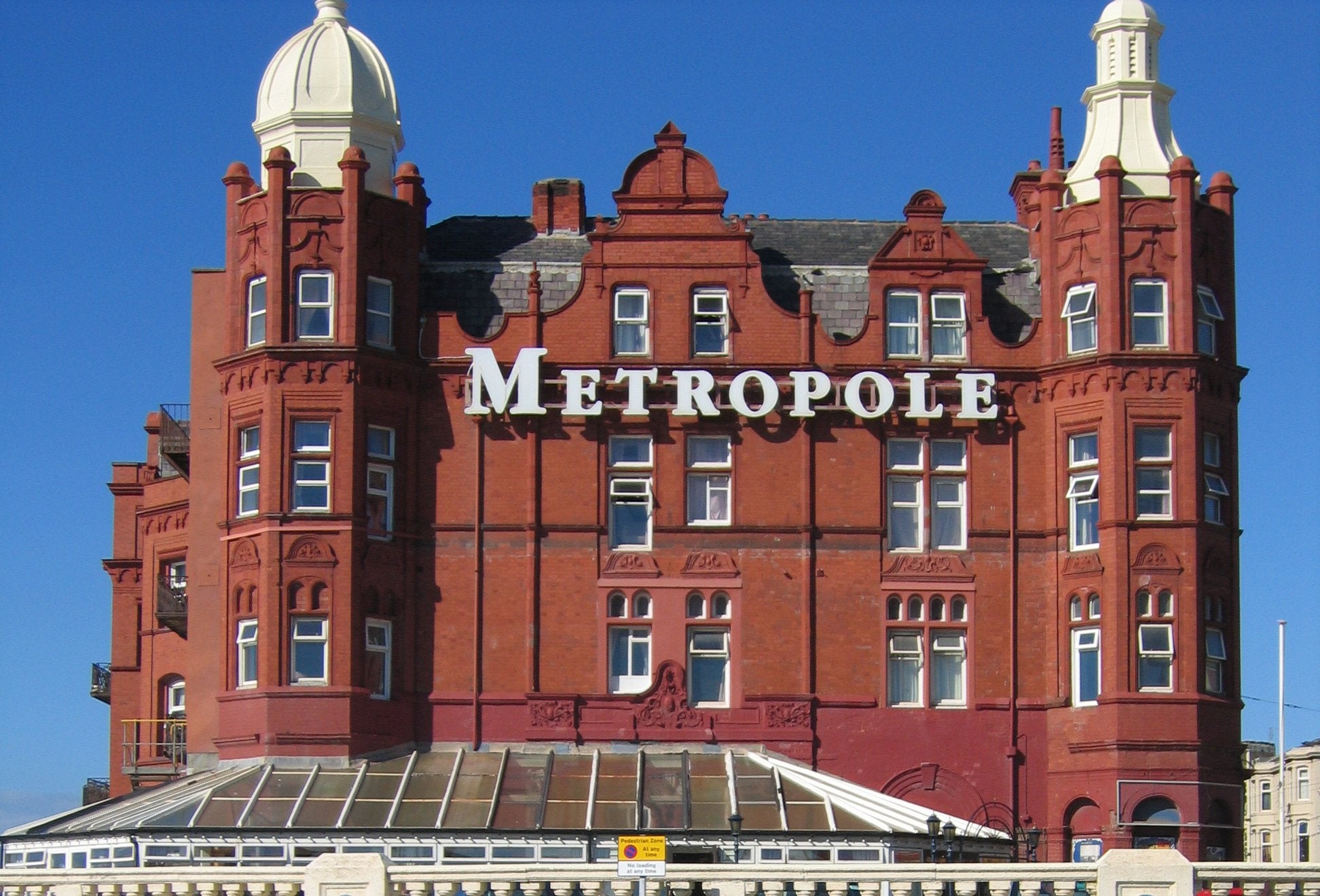
Earlier this month, the Home Office closed Statford-upon-Avon’s grade II-listed Grosvenor Hotel and the Grand Metropole Hotel on Blackpool Promenade, one of the town’s two oldest hotels.
There are now fewer than 160 hotels in use by the Home Office – down from a peak of nearly 400 under the Conservatives.
In total, there were 93,000 people in receipt of asylum support in June, meaning they are either living in government accommodation such as hotels or shared houses or receiving financial help. This is 12 per cent lower than last year.
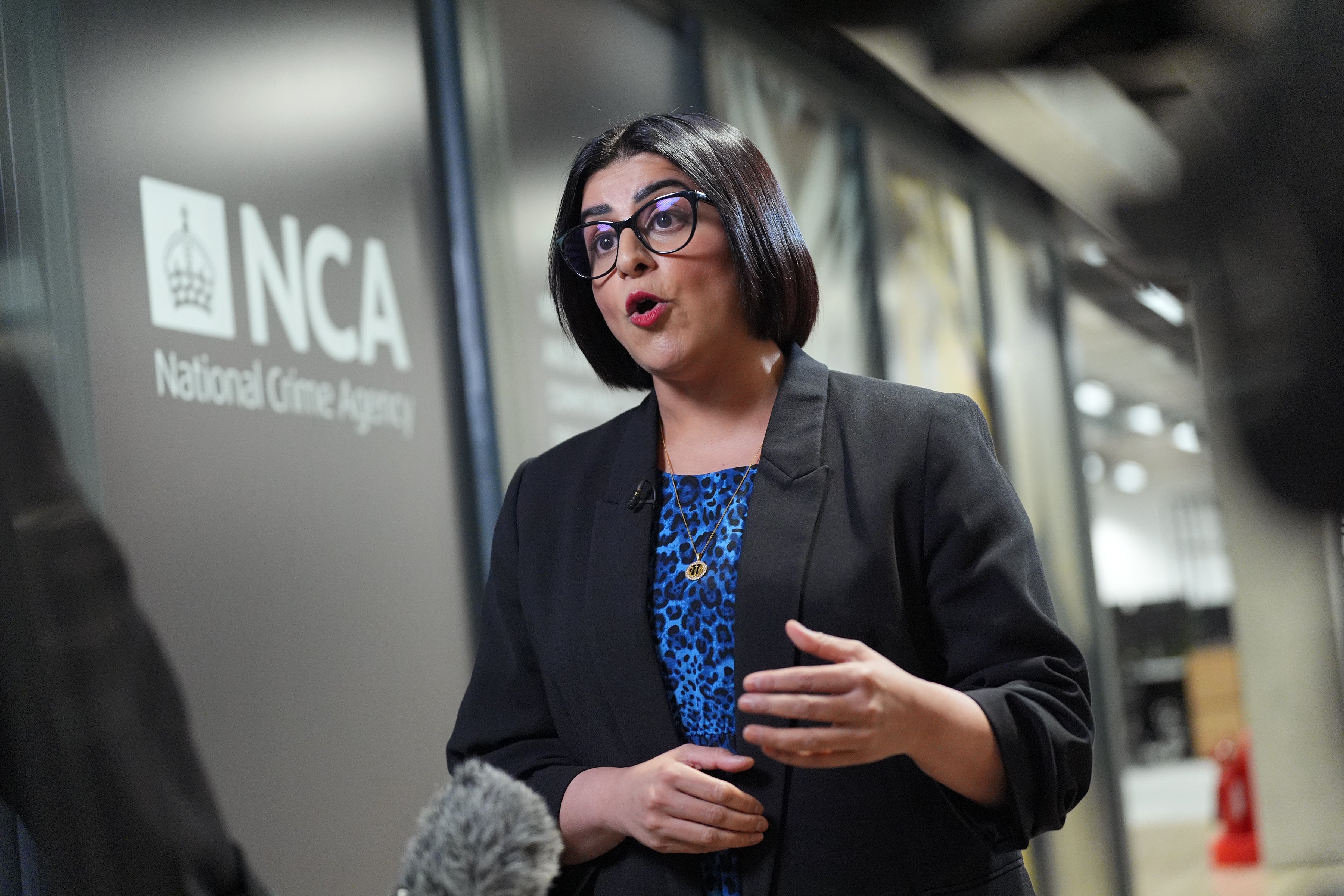
Home secretary Shabana Mahmood said that the stats showed the “government is restoring control at our border and fairness to the migration system”. She added: "Small boats numbers are also now falling, but we are not complacent and there is more we must do. That is why I have boosted enforcement on the French beaches and overseas and introduced new legislation to tackle the pull factors that draw people here through unsafe and illegal routes.”
The number of people coming to the UK for work, study and to join family is also falling, following restrictions introduced by the Conservative and Labour governments that limited people’s ability to bring family with them to Britain.
Some 235,000 work visas were granted in the year to June 2026, down 18 per cent on the past year. Study visas are down 11 per cent year-on-year to 383,000, and family visas are down 19 per cent to 58,000.
Despite falling visa grants to the UK, a record number of people applied for citizenship in the first half of 2026.
In the year ending June 2026, just over 315,000 people applied to become British citizens, the highest number on record, analysis by the University of Oxford’s Migration Observatory found. This was up 17 per cent on the previous year.
The largest number of applicants came from non-EU countries – 234,000 or 74 per cent of all grants, with the most common nationalities being Indian and Pakistani.
However the number actually granted citizenship remained level with previous years, at 245,520 grants in the year ending July 2026. This is compared to 257,070 in the previous year.
There has also been a significant jump in the number of EU citizens applying for British citizenship since October 2025 – a jump of 40 per cent over the course of the year.
Nuni Jorgensen, researcher at the Migration Observatory at the University of Oxford, said: “The higher number of people applying for citizenship partly reflects rising non-EU migration even before Brexit, as well as a gradual increase in the share of non-EU migrants choosing to become citizens since 2021. Among EU citizens the increase is particularly sharp and suggests a more sudden change in people’s desire to become British.
“The data do not tell us why, although it is possible that government and opposition party debates about restricting rights or removing people without citizenship may have played a role. Research suggests that uncertainty can encourage migrants to secure their status by applying for citizenship.”
A ban on refugees being able to apply to reunite with their families in the UK has left thousands trapped in conflict, analysis of Thursday’s figures by charity Refugee Council found.
They estimate that over 20,000 people have been prevented from applying for refugee family reunion, including 18,633 women and children, in the year that the pause has been in place.
Jon Featonby, chief policy analyst at the charity, said that the government had shut down “vital routes for people to apply for asylum safely and legally”. He added: “Nine out of ten people supported through the family reunion route were women and children, unable to make the dangerous journey to reunite with their loved ones in the UK without our help. They may now be stuck in the middle of civil war in Sudan or brutal repression under the Taliban."
Responding to Thursday’s figures, Emily Graham, policy associate at think tank The Future Governance Forum, said prime minister Andy Burnham needed to “accelerate plans to deliver an asylum system that is orderly, safe and fair”, adding: “That means scaling up co-operation with France and other European partners to reduce small boat crossings by diverting and deterring migrants from dangerous journeys, and clearing the asylum backlogs to get people out of hotels in months not years.”
Marley Morris, at the Institute for Public Policy Research (IPPR), said: “The government continues to make good progress on reducing the asylum backlog and closing asylum hotels. Faster processing of asylum claims is paying off.”
He said that “despite lower numbers in hotels tensions continue over asylum accommodation”. Mr Morris added that, while processing of initial asylum claims has sped up, there is a growing appeals backlog “prolonging people’s stay in asylum accommodation”.