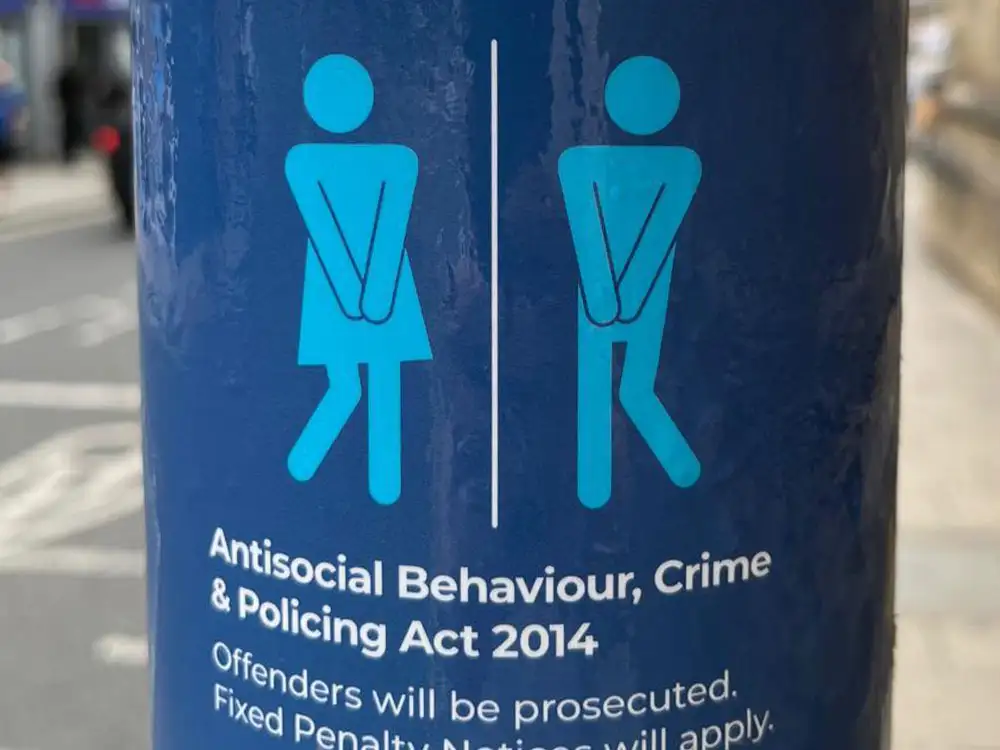
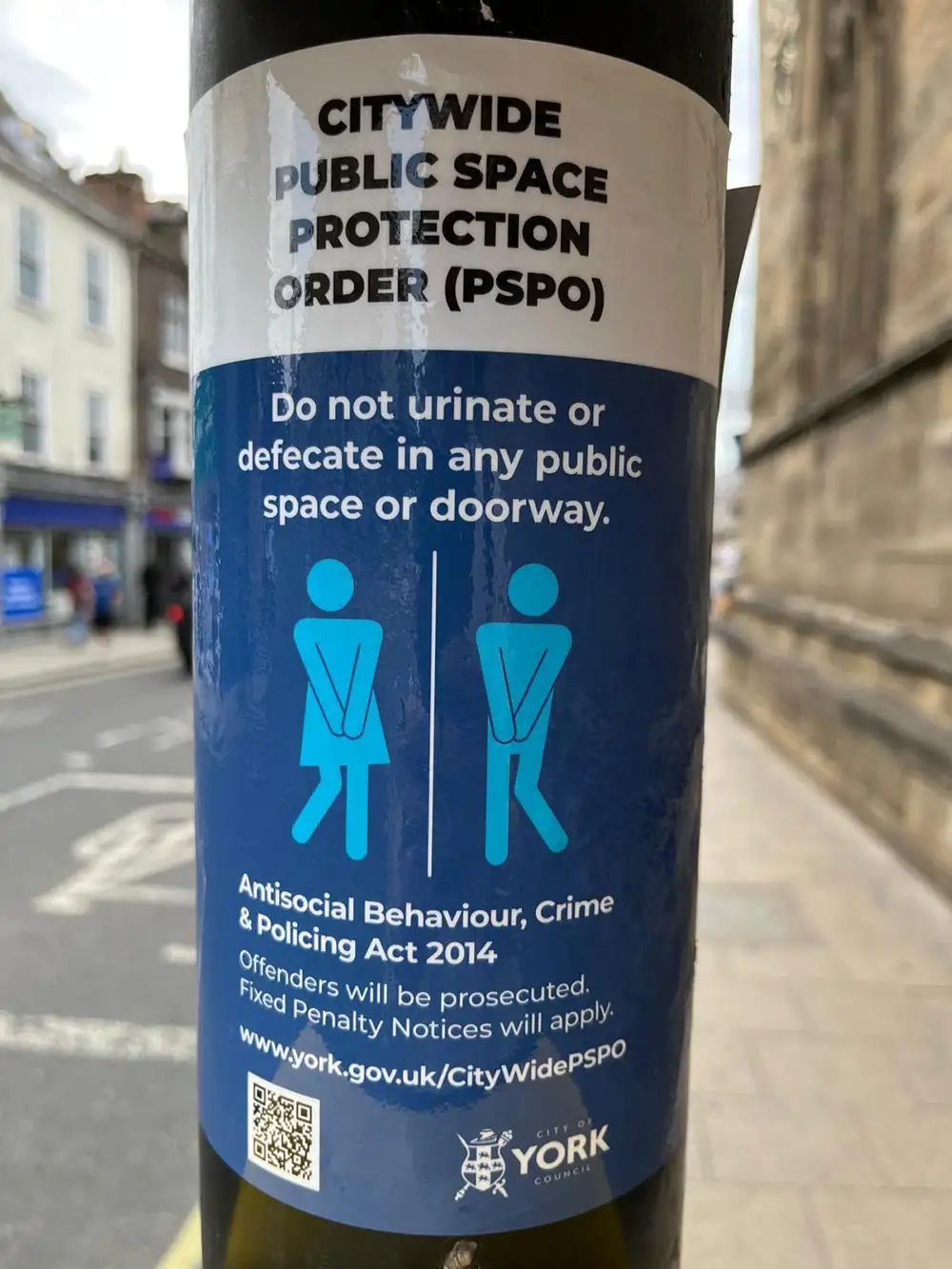
Just seven fines were handed out for street urination in York in the first year of new powers being in force, despite clean ups numbering in the thousands.
The fixed penalty notices (FPNs) for street urination issued between June 2025 and last July had a combined value of £325 and three went unpaid, City of York Council figures show.
It compares to the 4,891 instances of street urination removed by York’s Business Improvement District (BID) cleaning teams during the same period.
Council communities lead Pauline Stuchfield said the vast majority of offences happened at night meaning the issuing of fines relied on witness statements coming from partner organisations working during those times.
A North Yorkshire Police spokesperson areas where street urination was known to happen were patrolled and fine figures did not provide a complete picture of work happening to tackle offences.
A York BID spokesperson said their night safety officers were now working from every Friday and Saturday with body cameras which would help gather evidence.
It comes after the citywide street urination and defecation public space protection order (PSPO) came into force in June last year after £100 penalties were approved the previous April.

The crackdown came after BID figures showed they received 4,194 clean-up requests in the year up to March 2024.
Council figures obtained through a freedom of information request showed one of the four fines was worth the full £100 penalty.
The other three were paid at a discounted rate of £75 and the remaining ones went unpaid.
Fines were issued in Ordnance Lane in Fishergate and the city centre’s Museum Street, Market Street, Bridge Street and Whip Ma Whop Ma Gate.
The others were issued in Acomb Road and Malton Road.
‘Significant impact’
Council director of communities Pauline Stuchfield said the PSPO was introduced to allow fines to be issued instead of having to take cases to court.
She added the council could still prosecute repeat offenders.
The director said the penalties were approved for three years, after which they would be reviewed and either kept or ditched depending on how effective they have been.
Ms Stuchfield said: “Introduction of FPNs, which allow individuals to discharge their liability to prosecution, was felt to be more proportionate and it also reduced the demand on magistrates’ court and officer time.
“The vast majority of street urination offences are linked the night time economy and as such the council relies on the support of partner organisations, who work at that time, to submit witness statements supporting the issue of FPNs.”
North Yorkshire Police’s spokesperson said they took dealing with the issue seriously and remained committed to tackling it.
The spokesperson said: “Street urination can have a significant impact on residents, businesses and visitors, particularly within York’s night-time economy.
“Where offences are witnessed, officers and PSCOs gather evidence and work with the council to support enforcement.
“Depending on the circumstances, other criminal offences may also be considered.
“Enforcement activity is influenced by a range of factors, including offences being witnessed, information received from partners and the public, and the ability to identify those responsible.”
The BID’s spokesperson said clean up requests came from a combination of business requests and proactively checking known hotspots.
They added their night safety officers would now be out from 8pm to 2am every Friday and Saturday which should help to combat the issue.
The spokesperson said: “The FPN figure doesn’t necessarily reflect the total number of incidents, nor can it be used to conclusively measure impact.
“Alongside our cleaning team, we’ve introduced improvements including installing planters in areas that experienced persistent street urination to help discourage the behaviour while improving the overall appearance of the area.”
The council’s executive heard last year hospitality businesses would be encouraged to let people use their toilets as part of efforts to curb street urination.
A campaign reminding pub, bar and other venue patrons to use the toilet before they leave was also planned.