
Iran has claimed Donald Trump could “ignite the spark of World War III” after the US warned it was Tehran’s “last chance” to make a deal.
The US president claimed the Strait of Hormuz could be open “literally by tomorrow”, adding that the Iranian regime had “begged” for negotiations and that talks are currently ongoing.
“We will not allow a second corridor to be opened in the Strait of Hormuz, and any warship or military force that approaches it will be hit,” Mohsen Rezaei, an advisor to Supreme Leader Mojtaba Khamenei, told Iranian television according to Israeli public broadcaster Kan.
“Trump's moves could ignite the spark of World War III," he added.
The US president claimed establishing peace in the region will be a two phase process, first involving opening the straits, and afterwards Iran’s “denuclearisation”.
He said it would “take a little while, but … we’re very strong on it”.
Iran had flatly denied any plan for negotiators to meet with their US counterparts on Monday, saying it is rather in discussions with Oman about securing a temporary safe route through the Strait of Hormuz.
Watch: Trump offers soundbite to recap US shooting down Iranian missiles
Israel discusses withdrawal from Lebanon
Israeli and Lebanese officials met in Rome yesterday to continue talks on implementing a US-mediated deal to draw down the Israeli military from southern Lebanon and disarm the Iran-backed Hezbollah militant group.
A diplomat familiar with the negotiations said Lebanon had asked for the next "pilot zone" — where Israeli forces would withdraw and the Lebanese army would take control — to be either in the town of Khiam or Bint Jbeil. Both areas saw heavy fighting in the latest Israel-Hezbollah war and are currently occupied by Israeli forces.
But US ambassador to Lebanon Michel Issa suggested ahead of the three-day talks that no new pilot zones would be immediately implemented, saying that "moving too quickly risks jeopardizing the very civilians this process is meant to protect."
Did Trump reveal a weak hand in reported crowdsourcing memo seeking ‘creative’ ways to punish Iran?
The U.S. military has asked combat experts to think outside the box in a desperate bid for new ideas to end President Donald Trump's war against Iran, according to a report Monday.
In an email last week, an officer in the intelligence branch of U.S. Central Command asked a broad group of military analysts for suggestions, CNN said, citing an unidentified source.
"We are looking for new creative and unconventional ways to pressure and punish Iran,” the email reportedly read.
Military officials said the effort to crowdsource a solution to the war by email was highly unusual, CNN reported.
The move came as Trump is considering dramatic, "fireworks"-style airstrikes against Iran that could hit the same or similar sites that the U.S. bombed last year when targeting the nation’s suspected nuclear weapons program, a source told CNN.
ICYMI: Hormuz deal could be reached in next two days
The US has said a deal aimed at reopening the Strait of Hormuz could be reached with Iran in the next two days.
US secretary Scott Bessent told CNBC: “We are in talks with the Iranians, and I think there is a chance we may have a deal today or tomorrow to open the Strait and move towards a more normalised position in this conflict.”
Donald Trump said the global shipping route could be open as early as Tuesday or Wednesday.
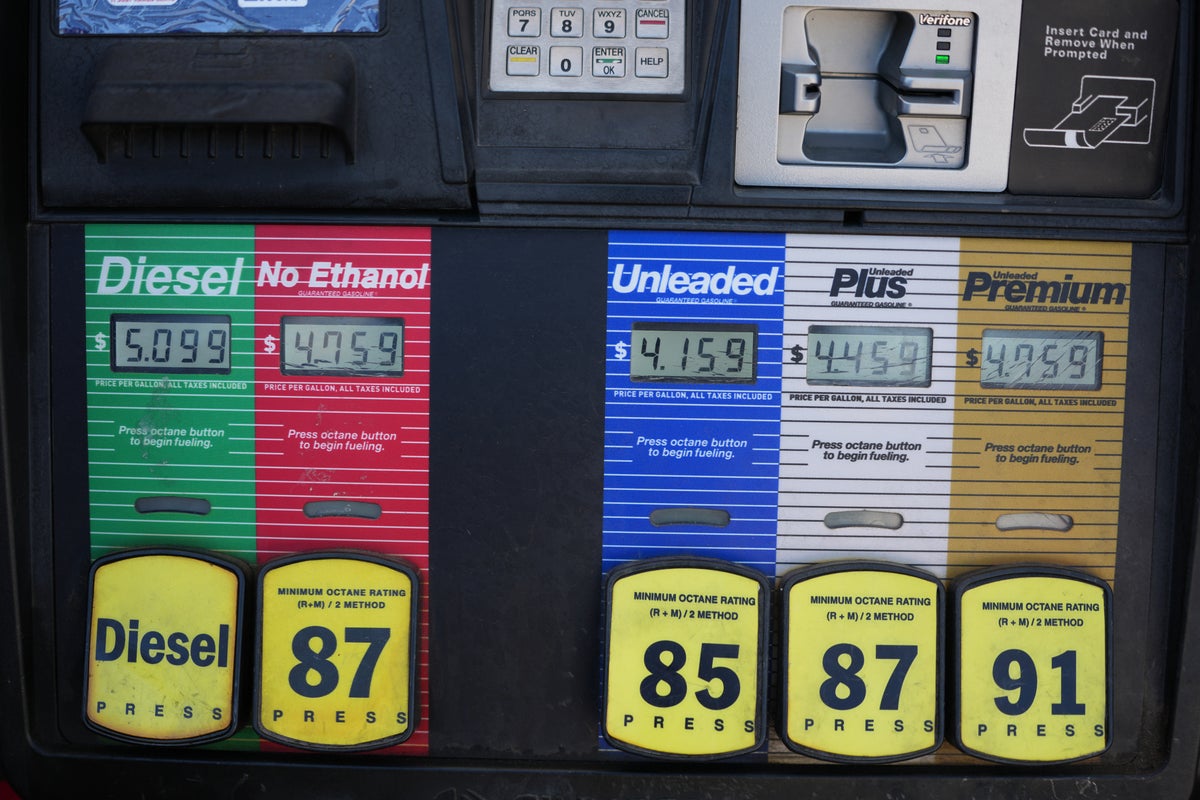
Big oil companies continue to post banner profits as fighting in Iran drives costs higher
Trump says canceled Iran attack would have been the biggest 'since WWII'
Talks with Oman have been positive - Iranian foreign ministry
Iran has said talks with Oman over transit through the Strait of Hormuz have been positive and focused on establishing safe shipping lanes.
State media reported that Iran's foreign ministry spokesperson Esmaeil Baghaei said the route being negotiated was aimed at ensuring the sovereign rights and national security of both Iran and Oman.
Two regional officials told The Associated Press that, under the emerging agreement, ships would enter the Persian Gulf through an Iranian-controlled route and exit through a route controlled by Oman.
Service fees would be charged for providing security and preserving the maritime environment, the officials said, adding that the final agreement could take place in a different form.
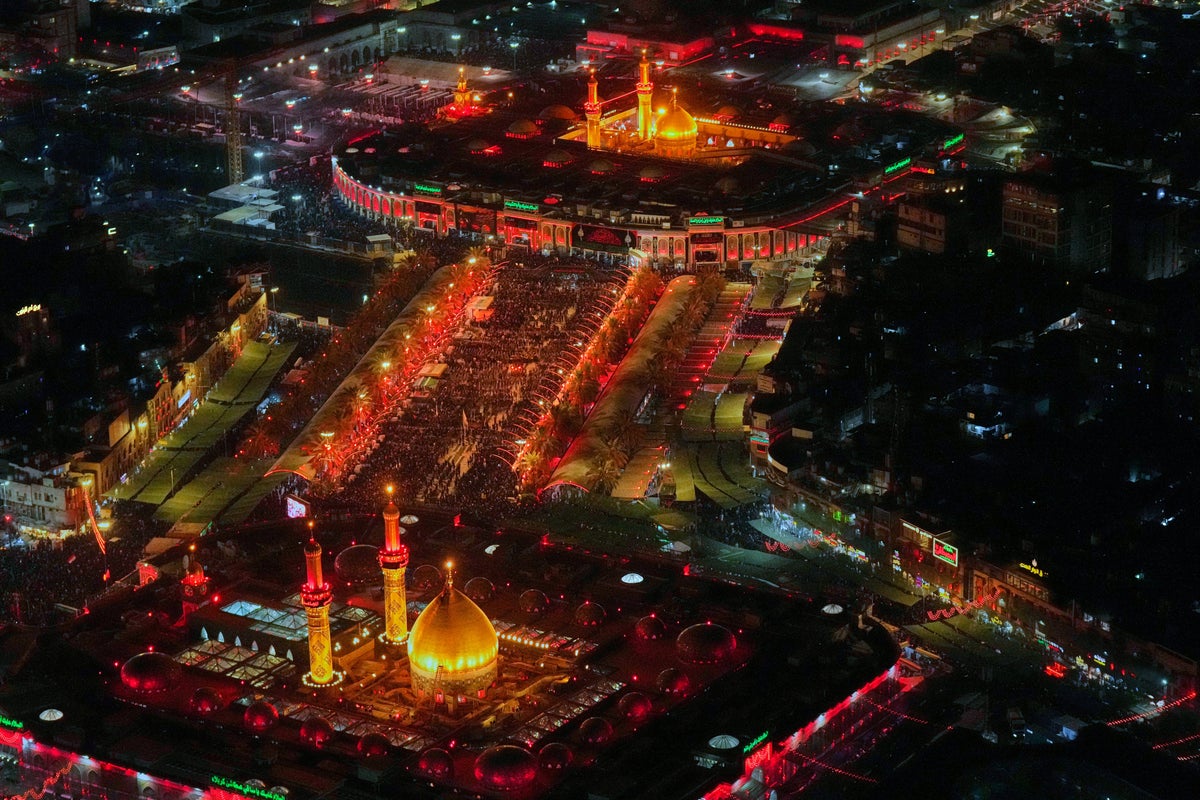
Millions join Arbaeen pilgrimage in Iraq amid regional tensions and fears of US-Iran escalation
Millions of Shiite Muslims observed the annual Arbaeen pilgrimage Tuesday in the Iraqi holy city of Karbala, under the shadow of ongoing regional tensions and fears of another round of escalation in the U.S.-Iran war.
Arbaeen is held 40 days after Ashoura, which commemorates the killing of Imam Hussein, grandson of the Prophet Muhammad, and members of his family, at the Battle of Karbala in 680 A.D.
The operations command overseeing the Arbaeen pilgrimage at the Office of the Commander-in-Chief of the Armed Forces said on Monday that more than 4.88 million pilgrims had entered Iraq since the first day of the Islamic month of Muharram, which includes Ashoura and the period leading up to Arbaeen, with arrivals from various countries ongoing for what is considered one of the world’s largest annual religious gatherings.
Millions more pilgrims typically come from different regions of Iraq to Karbala for the occasion.
Among the highest- profile foreign visitors was Iranian Foreign Minister Abbas Araghchi, who arrived in the Iraqi city of Najaf Monday and continued on to Karbala to take part in the pilgrimage.
Read more here:
Houthis say they hit Saudi target in Najran Airport
Yemen's Houthis rebel group said on Telegram on Tuesday that they hit a target at Saudi Arabia's Najran Airport.
The Iran-aligned group said the strike was in response to alleged Saudi drone incursions into the airspace over the Saada and Hajjah governorates in northwestern Yemen.
The Houthis have imposed a naval blockade on Saudi Arabia in the Red Sea since last month in response to what they described as a Saudi siege on Yemen, an allegation Riyadh has denied.
US military accused of killing family after dropping 900kg bomb on civilian house in Iran - report
The US military has been accused of killing a young family with a huge 907kg bomb during renewed strikes on Iran’s fortress Qeshm Island last week, according to a new analysis, raising more questions about its conduct in the five month conflict.
A mother, a father and their two-year-old son were reportedly killed as American forces dropped a Mark 84 bomb and hit a populated neighbourhood on Thursday, leaving a 30ft wide crater in the ground, according to evidence reviewed by the New York Times.
The newspaper said that the couple’s other two children were pulled from the rubble alive after a review of photographs, video footage and satellite imagery by weapons experts.
Analysis suggests the location and timing of the strikes, destroying several structures in the Chah-Tangu neighbourhood, was consistent with where the US military was operating at the time.
Senior reporter James Reynolds reports: