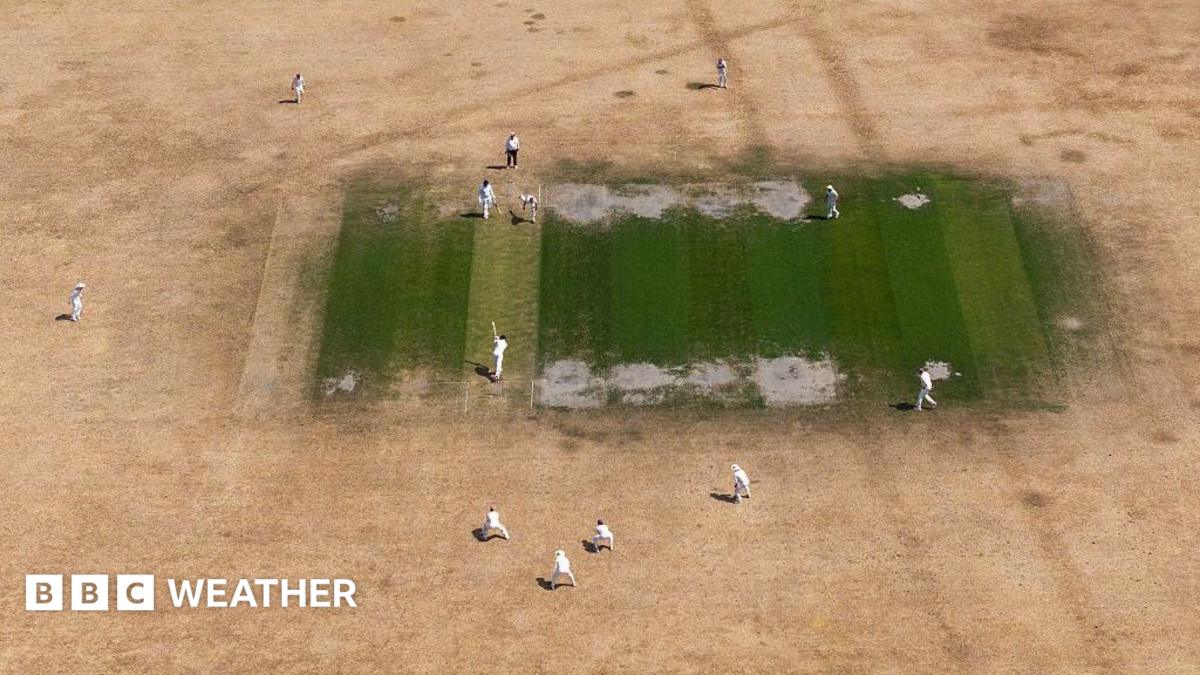
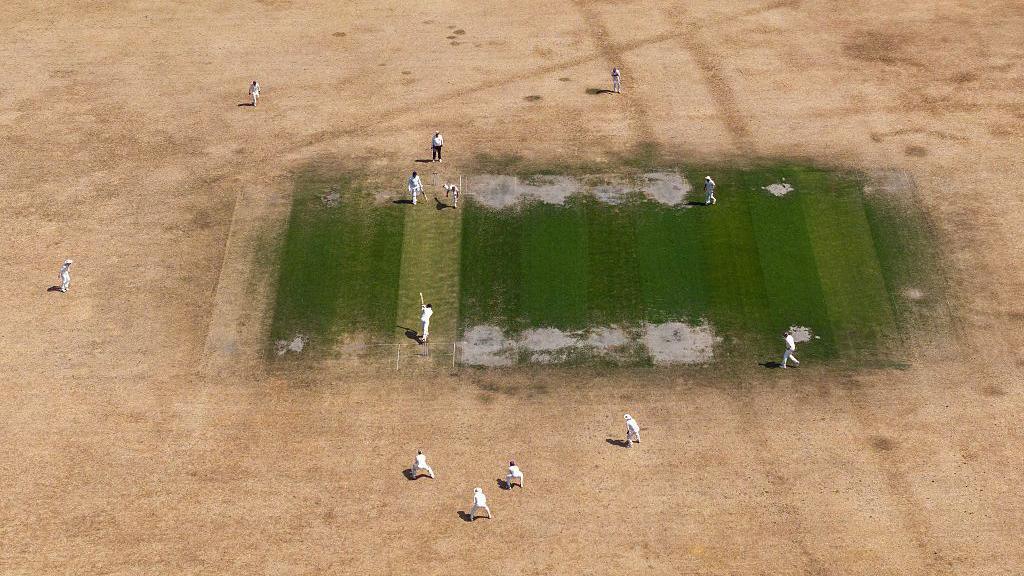
England and Wales are on course for their driest July since records began 190 years ago.
The Met Office reports that England has seen just 5.6mm of rainfall up to 30 July – just 8% of its long-term meteorological average for the month and less than half of the previous record of 13.4mm set in 1911.
For Wales it is 7.9mm of rainfall, also 8% of its long-term average for the month and almost a third of the previous record of 22.6mm, again set in 1911.
The UK as a whole is currently on track for its third driest July, and driest nationally since 1868.
Tinder dry conditions exacerbate wildfire risk
It comes after an official drought was declared across more than half of England and all of Wales.
On Wednesday the Environment Agency declared a "flash drought" across more than half of England, where water is being used up much faster than nature can replenish it.
Wisley in Surrey has seen a 44 consecutive days without recording any rainfall as of 30 July.
Scotland does not declare drought but monitors "water scarcity". Some parts of eastern Scotland are in the most extreme category of "significant scarcity", according to the Scottish Environment Protection Agency.
The drought conditions have led to significant impacts, including low river flow and early harvests. More than 20 million people are already under hosepipe bans in a bid to conserve water.
The hot weather and lack of rainfall has led to tinder-dry conditions, which have exacerbated the risk of wildfires spreading.
A major incident was declared in Suffolk on Wednesday as firefighters tackled a wildfire "the size of 200 football pitches".
In Scotland, a wildfire in the Cairngorms burned for two weeks, destroying 10 sq miles (25 sq km) of moorland.
Northern Ireland is not currently in drought.
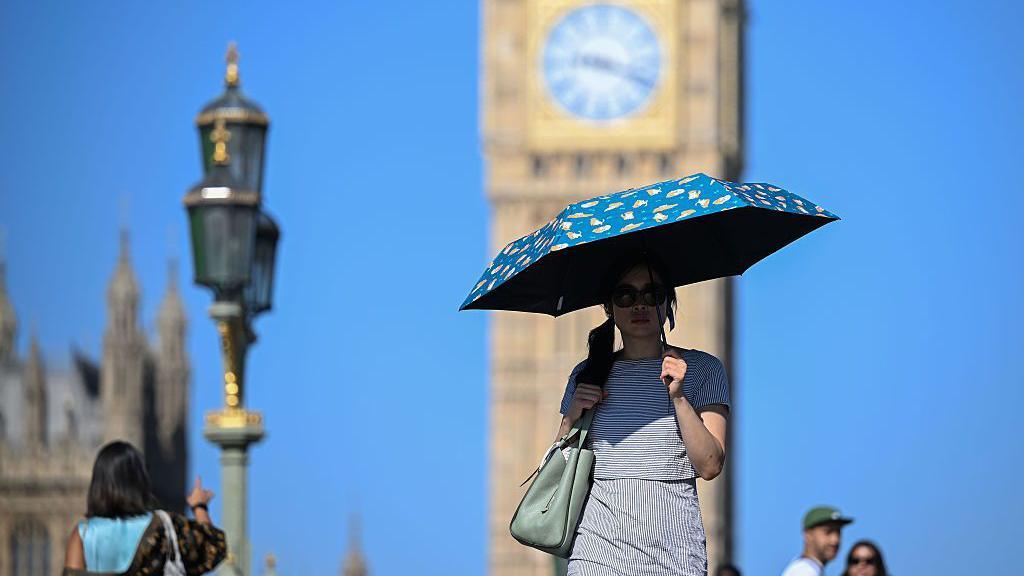
Temperatures climbed to 35.5C in July, as several areas experienced their fourth heatwave of the year
England is on track this year for the highest number of heat-related deaths since records began, according to estimates by the UK Health Security Agency.
In a preliminary assessment, it said there were an estimated 2,877 heat-related deaths during the May and June heatwaves, almost double the figure for the whole of last year.
The summer so far has also seen temperature records tumble.
We have now had seven days with temperatures over 35C, beating the previous record of five set in 1976 and equalled in 2020.
There have been 31 days with temperatures over 30C, not far off the record of 34 days set in 1995 and comfortably beating 1976, which had 24 days.
There is still plenty of time left this summer to equal or beat this mark.
You can read the latest monthly outlook from BBC Weather here.
