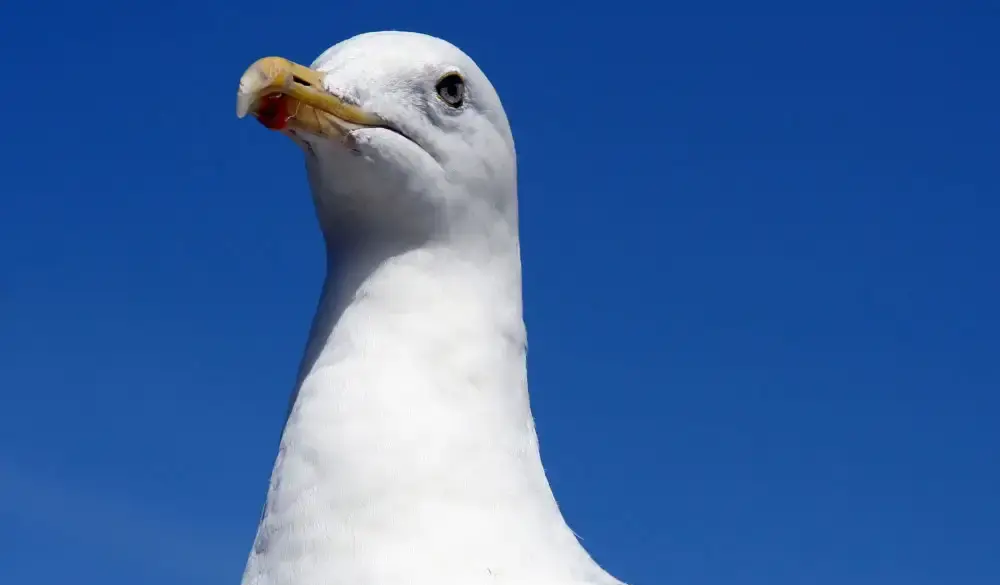
New measures to manage gulls in North Yorkshire’s coastal towns have been introduced as part of a proposed new approach which is due to be discussed by councillors.
The waste and street scene teams have started rolling-out gull-proof litter bins in Scarborough.
The bins are fully covered with a strong metal flap, stopping any gulls from being able to reach the rubbish.

The new measures are part of a proposed long-term urban gull strategy across Scarborough, Whitby and Filey, which is set to be discussed by North Yorkshire Council (NYC) executive members at a meeting next Tuesday (4 August).
Executive member for managing our environment, Cllr Richard Foster, said: “Their growing number in urban areas creates challenges.
“Although we can put measures in place to manage their impact, our message to the public is to stop feeding them – they are opportunists and any encouragement can lead to scavenging and taking food.
“This proposed strategy sets out a clear, balanced approach that recognises both the importance of protecting these species and the need to minimise their impact on residents, businesses and visitors.
“Through targeted actions such as reducing food waste, improving awareness and using effective deterrents, we can support a long-term future to live alongside our gull populations and ensure our coastal towns remain clean, safe and welcoming places for everyone.”
As well as the roll-out of more gull-proof litter bins, NYC will provide residents with gull-proof sacks and carry out seasonal jet-washing of the streets.
A total of £119,500 is due to be allocated in the first year.
Gull species, including herring gulls and kittiwakes, are protected under the Wildlife and Countryside Act of 1981.
However, the presence of urban gulls can be divisive, and they pose challenges to the local community. In particular, the mess created from fouling, nesting and noise.
Populations of herring gulls, known as seagulls, can also lead to environmental issues due to the availability of food waste, sometimes leading to scavenging or taking food.
Therefore, NYC has developed the proposed urban gull strategy based on evidence and feedback from local businesses, national conservation data, and in consultation with the Yorkshire Coast Urban Gull Partnership, Natural England, Environment Agency, the Royal Society for the Protection of Birds, and Yorkshire Water.
The aim is to improve understanding of gull behaviour, reduce access to food, promote targeted cleaning hotspots and shared responsibility with landowners, install safe deterrents, and carry out ongoing population surveys.
If approved, the strategy will guide the approach to managing gulls, with regular monitoring and reviews to ensure measures remain effective, lawful and aligned with conservation requirements.